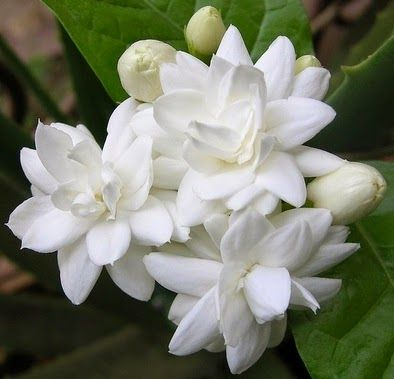






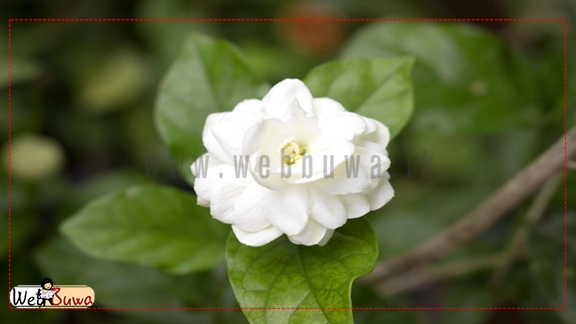
Jasmine flowers are beloved for their delicate white blooms and intoxicating fragrance. But have you ever noticed that after picking, these pristine white petals can sometimes take on a surprising purple hue? This color change isn’t magic, but rather a fascinating interplay of plant chemistry.
The key lies in pigments within the flower. Jasmine petals primarily contain pigments called anthocyanins, responsible for the vibrant colors of many fruits and flowers (think blueberries and roses). However, in the living jasmine flower, another pigment called meconin masks the anthocyanins, keeping the petals white.
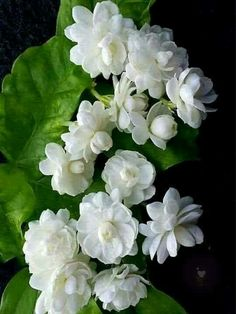
Here’s where the plot thickens: when you pick a jasmine flower, you disrupt its delicate internal processes. Meconin production slows down, while anthocyanin production might even increase. This shift in pigment dominance allows the anthocyanins to finally shine through, transforming the white petals into shades of lavender or purple.
It’s important to note that not all jasmine varieties exhibit this color change. Some may turn slightly yellow or brown instead. Factors like the specific jasmine species, its growing conditions, and even the timing of picking can influence the degree of color shift.
So, the next time you pick a jasmine flower and witness its color change, remember it’s a testament to the dynamic world of plant pigments. It’s a beautiful reminder that even after being cut, flowers continue to undergo subtle chemical changes, revealing hidden colors within.