






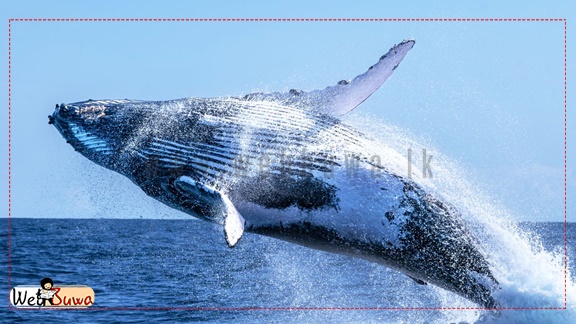
The vast expanse of the deep ocean is a realm of perpetual darkness and crushing pressure. Nutrients are scarce, and food sources are limited. Yet, in this seemingly barren environment, life thrives – thanks, in part, to a phenomenon known as a whale fall.
A whale fall occurs when a giant whale dies and sinks to the ocean floor, typically at depths exceeding 1,000 meters. These gargantuan carcasses, once devoid of life, become islands of abundance on the seafloor, teeming with a unique community of organisms.
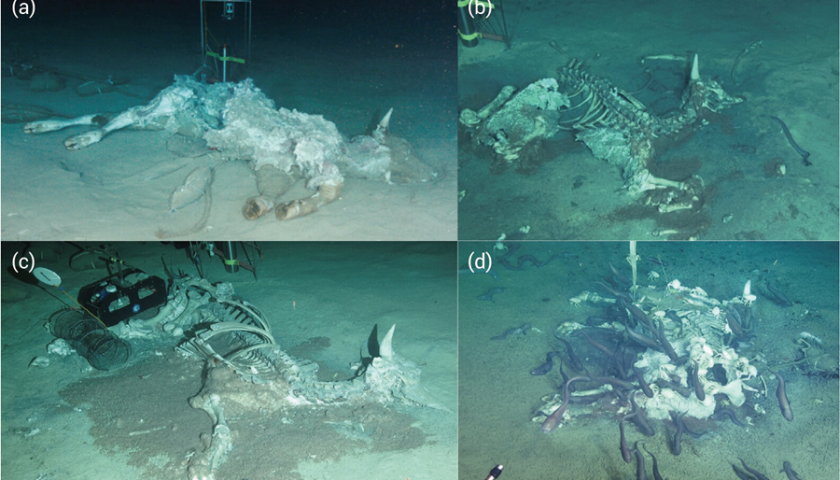
The whale’s immense body provides a bonanza of food for scavengers. Large predators like sharks and hagfish are the first to arrive, attracted by the chemical signatures of decay. These mobile scavengers feast on the whale’s flesh and blubber for months, even years.
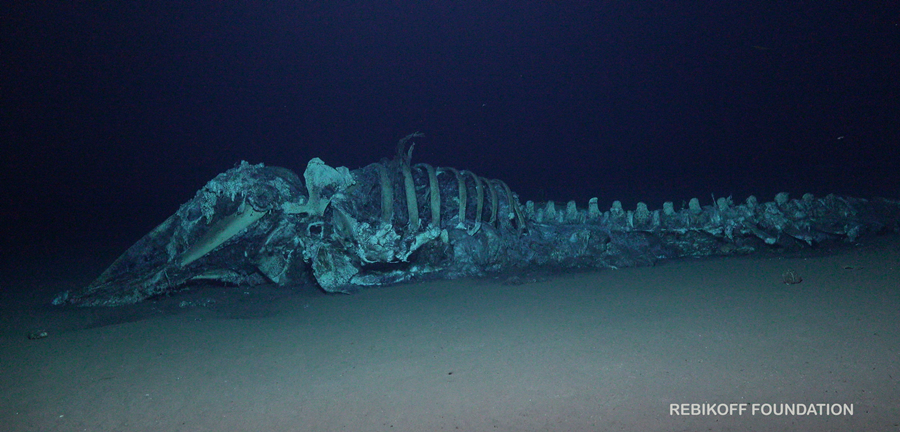
As decomposition progresses, a different cast of characters takes center stage. Enrichment opportunists, such as worms and crustaceans, move in to consume the leftover blubber and surrounding sediment enriched by the whale’s nutrients.
The final act of decomposition is driven by chemosynthetic bacteria. These microbes thrive in the absence of sunlight and leverage chemical energy released from the decaying whale carcass to synthesize nutrients.
The entire process can take decades, with each stage supporting a distinct ecological community. Whale falls are oases of life in the deep sea, demonstrating the remarkable interconnectedness of the marine ecosystem.
These underwater havens are crucial for the survival of deep-sea creatures, highlighting the importance of protecting whales and maintaining healthy ocean ecosystems.