








Multiple sclerosis (MS) can be a daunting diagnosis, affecting a person’s mobility, sensation, and even cognitive function. But with the right knowledge and support, people with MS can live fulfilling lives. This article dives into the complexities of MS, offering insights into diagnosis, management, and the ongoing pursuit of a cure.
Unmasking the Mystery: What is MS?
MS is an autoimmune disease, meaning the body’s defense system mistakenly attacks healthy tissues. In MS, the target is myelin, the protective sheath surrounding nerve fibers in the central nervous system (CNS). This damage disrupts communication between the brain and the body, leading to a variety of symptoms.

A Spectrum of Symptoms:
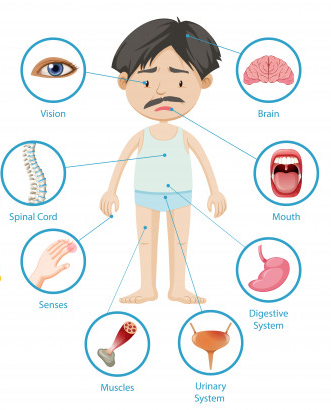
MS symptoms vary depending on the location and severity of nerve damage. Common signs include:
- Muscle weakness or fatigue
- Numbness or tingling
- Vision problems, like blurred vision or double vision
- Difficulty with balance and coordination
- Speech problems
- Bladder or bowel dysfunction
- Cognitive issues, such as memory problems
Diagnosing MS involves a multi-pronged approach. There’s no single test, but a neurologist will consider a patient’s medical history, perform a neurological exam, and order tests like MRI scans and evoked potentials (electrical tests) to assess nerve function.
While there’s no cure for MS, there are effective treatment options to manage symptoms and slow disease progression. Medications can help reduce inflammation, prevent relapses, and control specific symptoms like fatigue or spasticity. Physical and occupational therapy play a crucial role in maintaining mobility and independence.
Researchers are continuously exploring the causes and potential cures for MS. Promising avenues include stem cell therapies, immunomodulatory drugs, and rehabilitation techniques. The MS community remains hopeful, with ongoing clinical trials offering the possibility of a brighter future.
An MS diagnosis doesn’t have to define your life. With proper management, support groups, and a positive outlook, people with MS can live actively and achieve their goals. There are numerous resources available, including the National Multiple Sclerosis Society and local support groups, which offer guidance, connection, and a sense of community.
Multiple sclerosis presents challenges, but with an understanding of the disease and the support of healthcare professionals and loved ones, individuals with MS can navigate their journey with hope and resilience.