




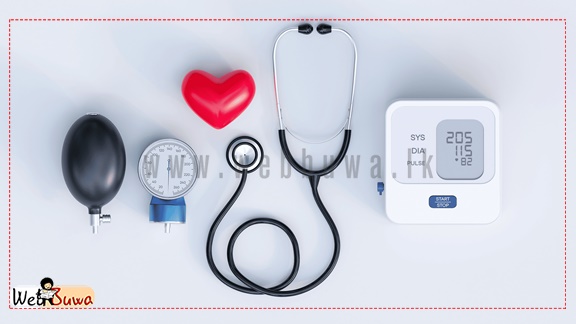
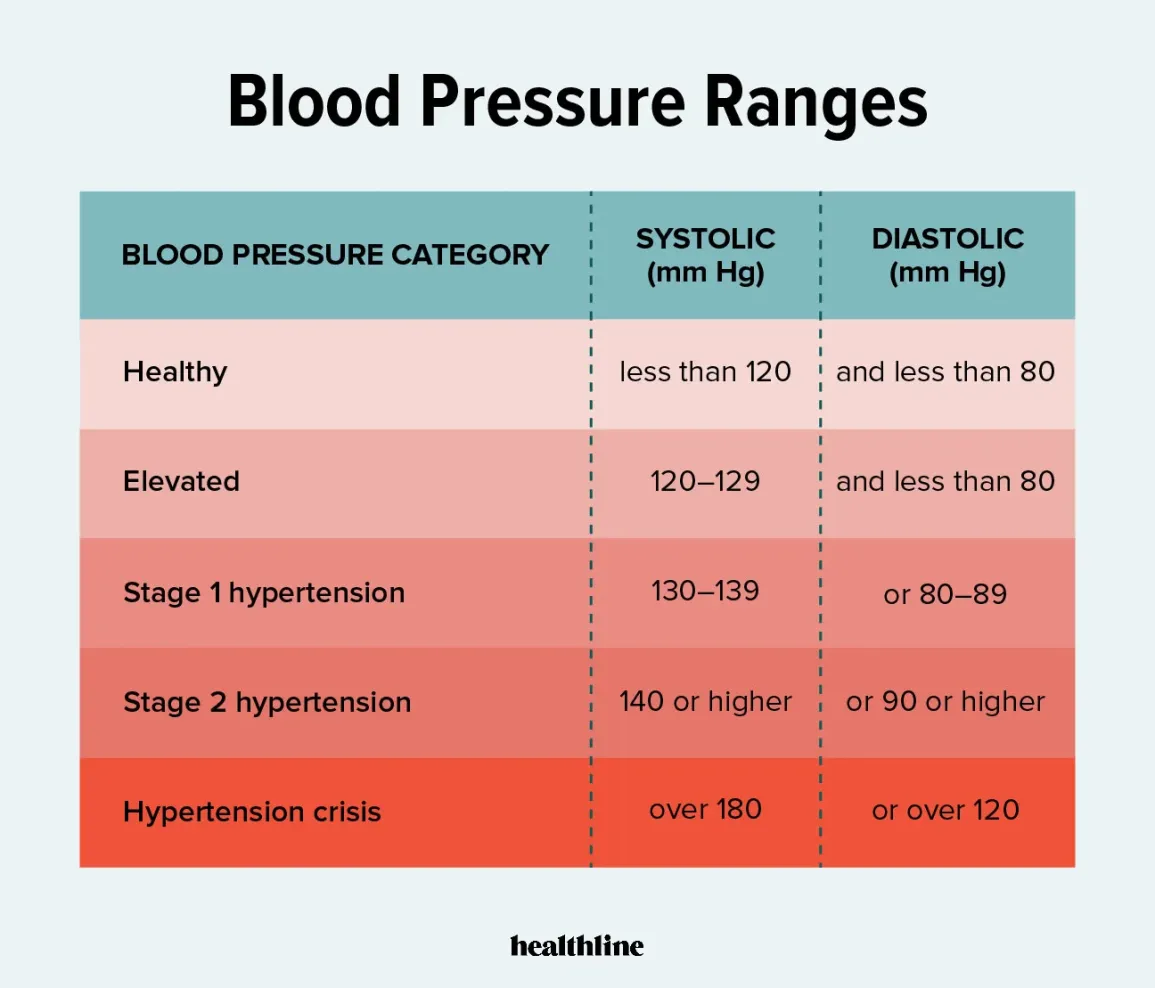
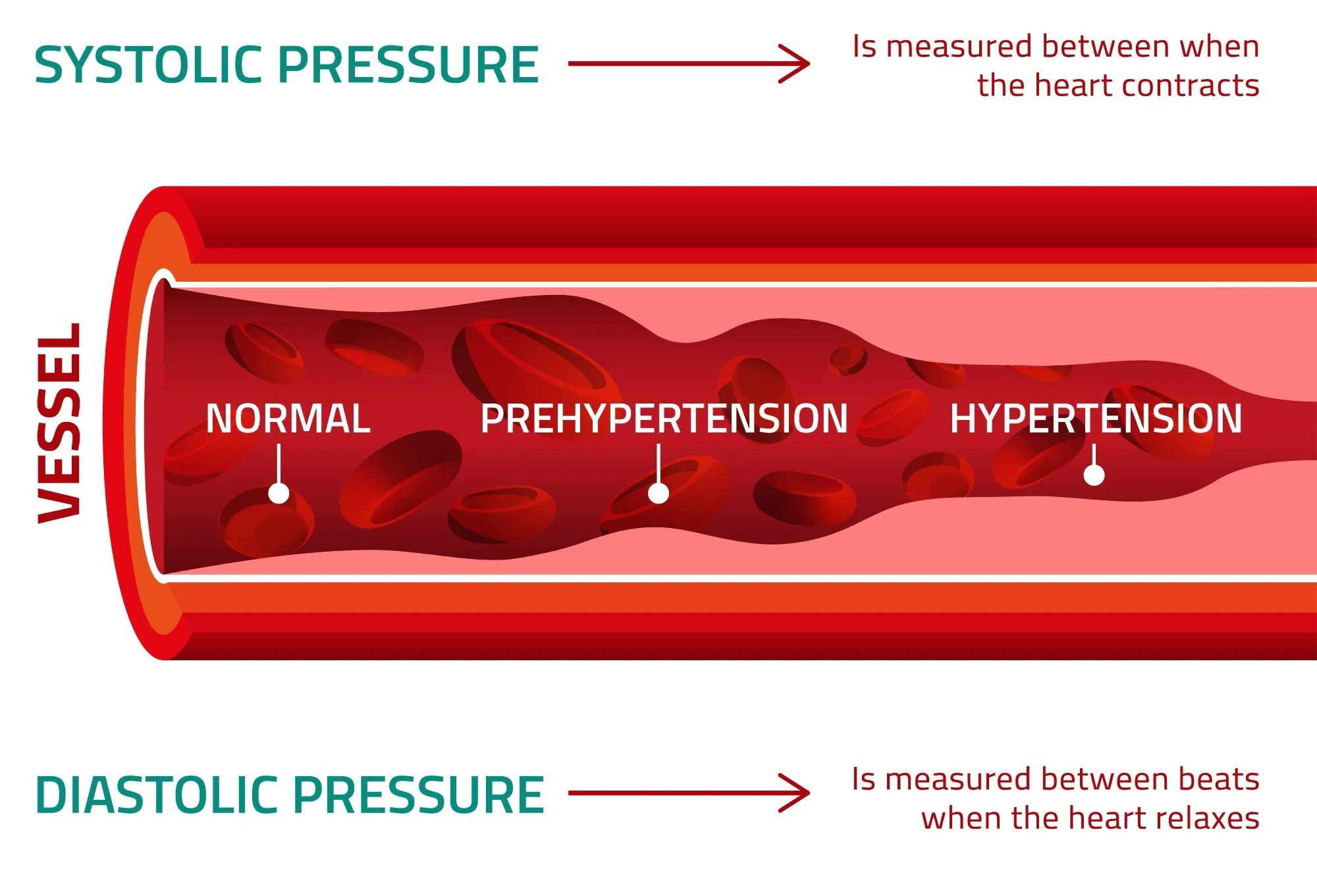
Hypertension, also known as high blood pressure, is a common condition where the force of blood pushing against your blood vessel walls is consistently too high. This can lead to serious health problems if left untreated.
Causes of Hypertension:
There are two main categories of hypertension:
- Primary (essential) hypertension: This is the most common type, accounting for about 90% of cases. The exact cause is unknown, but it’s likely a combination of genetic and environmental factors.
- Secondary hypertension: This type has an identifiable underlying cause, such as kidney disease, narrowed arteries, or certain medications.
Risk Factors for Hypertension:
- Age: As you age, your risk of hypertension increases.
- Family history: Having a family history of high blood pressure increases your risk.
- Ethnicity: Black, Hispanic, and Asian adults are more likely to develop hypertension than white adults.
- Diet: A diet high in sodium (salt) and low in fruits, vegetables, and whole grains can increase your risk.
- Weight: Being overweight or obese increases your risk.
- Physical inactivity: A lack of physical activity can increase your risk.
- Tobacco use: Smoking and chewing tobacco can increase your blood pressure.
- Alcohol use: Heavy alcohol consumption can increase your blood pressure.
- Stress: Chronic stress can contribute to high blood pressure.
- Certain medical conditions: Conditions like sleep apnea and diabetes can increase your risk.
Preventing Hypertension:
The good news is that there are many lifestyle changes you can make to help prevent hypertension:
- Maintain a healthy weight: Losing weight if you’re overweight or obese can significantly reduce your risk.
- Eat a healthy diet: Focus on a diet rich in fruits, vegetables, and whole grains, and limit sodium intake.
- Exercise regularly: Aim for at least 30 minutes of moderate-intensity exercise most days of the week.
- Limit alcohol intake: Moderate alcohol consumption is generally considered safe, but excessive drinking can raise blood pressure.
- Manage stress: Find healthy ways to manage stress, such as yoga, meditation, or spending time in nature.
- Quit smoking: Smoking damages blood vessels and increases blood pressure.
- Reduce sodium intake: Aim for less than 2,300 milligrams of sodium per day, ideally less than 1,500 mg for people with hypertension or at risk.
- Regular doctor visits: Schedule regular checkups with your doctor to monitor your blood pressure.
Living with Hypertension:
If you’ve already been diagnosed with hypertension, don’t despair. There are steps you can take to manage it and reduce your risk of complications:
- Medications: Your doctor may prescribe medication to lower your blood pressure. It’s important to take your medications as directed.
- Lifestyle changes: The same lifestyle changes that help prevent hypertension can also help manage it.
Practices to Lower Your Risk:
Here are some specific practices that can significantly lower your risk of hypertension:
- Dietary Approaches to Stop Hypertension (DASH) diet: This heart-healthy diet emphasizes fruits, vegetables, whole grains, and low-fat dairy products, while limiting red meat, saturated and trans fats, sugar, and sodium.
- Regular exercise: Aim for at least 150 minutes of moderate-intensity exercise or 75 minutes of vigorous-intensity exercise per week.
- Sodium reduction: Gradually reduce your sodium intake by cooking more meals at home, limiting processed foods, and reading food labels carefully.
- Potassium intake: Increasing potassium intake can help regulate blood pressure. Aim for fruits and vegetables rich in potassium, such as bananas, oranges, leafy greens, and potatoes.
- Limiting alcohol: Moderate alcohol consumption is generally considered safe, but excessive drinking can raise blood pressure.
- Smoking cessation: Quitting smoking is one of the most important things you can do for your overall health, including reducing your risk of hypertension.
- Stress management: Chronic stress can contribute to high blood pressure. Find healthy ways to manage stress, such as yoga, meditation, or spending time in nature.
By following these tips, you can take control of your blood pressure and live a long and healthy life. Remember, it’s important to talk to your doctor about your individual risk factors and the best approach for managing your blood pressure.