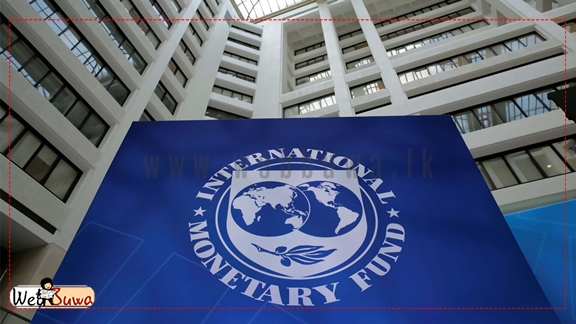




The International Monetary Fund (IMF) has reached a staff-level agreement with Sri Lanka under the fourth review of its Extended Fund Facility (EFF) program, pending two critical conditions: restoring cost-reflective electricity pricing and securing financing assurances from external partners.
IMF Mission Chief for Sri Lanka Evan Papageorgiou, addressing journalists in a virtual press conference, emphasised that the agreement is a “milestone” in Sri Lanka’s economic recovery path. Once the prior actions are completed and the IMF Executive Board gives its nod, the country will unlock approximately USD 344 million in funding. However, he warned that the structural benchmark on electricity cost recovery had not yet been met. “The April electricity tariff revision was not implemented, and the automatic adjustment mechanism did not function as envisaged,” Papageorgiou noted. He urged authorities to act quickly to avoid further financial losses for the Ceylon Electricity Board (CEB), which could become a fiscal burden if left unaddressed.
“We defer to the government and the Public Utilities Commission of Sri Lanka (PUCSL) on the timing, but stress the urgency.” Questions also focused heavily on State-Owned Enterprise (SOE) reform, particularly Sri Lankan Airlines. The IMF confirmed the government has allocated LKR 20 billion in the 2025 budget to address the airline’s debt and has engaged a financial advisor for restructuring. While these steps were welcomed, Papageorgiou called for faster progress, saying, “The pace needs to pick up. ” Addressing growing global trade uncertainties, especially the potential impact of new U.S. labour tariffs on Sri Lankan exports, the IMF acknowledged concerns about meeting fiscal and export targets. While no official request for program adjustments has been made, Papageorgiou said the Fund stands ready to work with the government on policy responses should shocks materialise.
“In any review, we reassess targets and adjust for new realities,” he said. “Sri Lanka has shown a strong commitment to the program, and we’re in constant contact to ensure that progress continues. ” Papageorgiou also confirmed that although no IMF technical assistance is currently being provided to the PUCSL, other development partners such as the World Bank and ADB are supporting the sector’s reform. The IMF further stressed the broader importance of transparent SOE governance, targeted social protection, and stable trade relationships in sustaining Sri Lanka’s recovery.
The IMF Board’s approval is expected around June, subject to the completion of remaining conditions.
‘SRI LANKA HAS SHOWN A STRONG COMMITMENT TO THE PROGRAM’ – IMF