





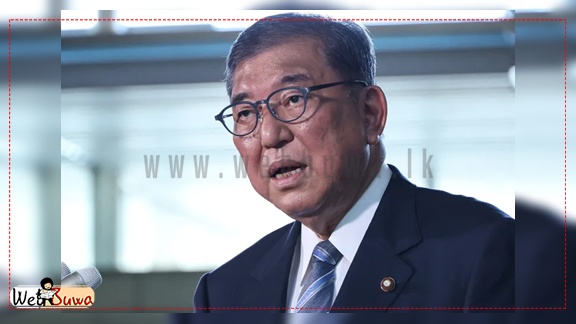
Japanese Prime Minister Shigeru Ishiba has announced his resignation as president of the Liberal Democratic Party (LDP), just weeks after its ruling coalition suffered a historic defeat in a July election.
Ishiba’s decision to step down on Sunday comes after he initially resisted calls from within his party to resign over the electoral defeat in July, saying he wanted to make sure that a tariff deal struck with the United States was appropriately implemented.
Since assuming his role last year, the 68-year-old politician has seen electoral losses wipe out his coalition’s majority in both houses of parliament, with a bruising electoral defeat in October leaving it with a minority in the more powerful lower house.
The defeats, stoked by voters’ concerns about the rising cost of living, have made it more difficult for Ishiba’s government to implement its policy objectives.
Amid the country’s growing political instability, Ishiba has faced calls to resign from mostly right-wing opponents within his party, who urged him to take responsibility for the results of July’s vote.
Reports suggested that Japan’s agricultural minister and a former prime minister met Ishiba on Saturday evening to persuade him to resign.
Although the Prime Minister’s Office has yet to comment on reports of his resignation, the Japanese government confirmed that Ishiba would be addressing journalists later on Sunday, a day before the LDP was scheduled to vote on whether to hold an early leadership election.
His potential successors include the conservative Sanae Takaichi, who narrowly lost to Ishiba in last year’s LDP run-off election, and Shinjiro Koizumi, the current farming minister whose family has long been involved in Japanese politics.
“Given the political pressure mounting on Ishiba after the LDP’s repeated election losses, his resignation was inevitable,” noted Kazutaka Maeda, an economist at Meiji Yasuda Research Institute.
“As for potential successors, Koizumi and Takaichi are seen as the most likely candidates. While Koizumi is not expected to bring major changes, Takaichi’s stance on expansionary fiscal policy and her cautious approach to interest rate hikes could draw scrutiny from financial markets,” Maeda added.
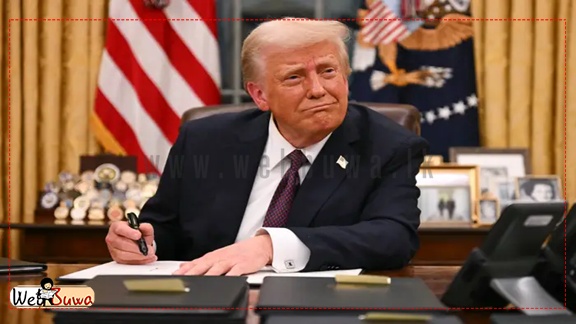
The developments come just days after US President Donald Trump signed an executive order on Thursday to slash tariffs on Japanese car imports from 27.5 percent to 15 percent, formalising an earlier agreement announced in July.
Under its terms, a 15 percent levy will be imposed against most Japanese exports to the US.
However, speaking on Saturday, Tokyo’s top tariff negotiator said the broad trade agreement is “not settled” yet, as US presidential orders on pharmaceutical and semiconductor tariffs have not been issued.
(Source: Al Jazeera and news agencies)