




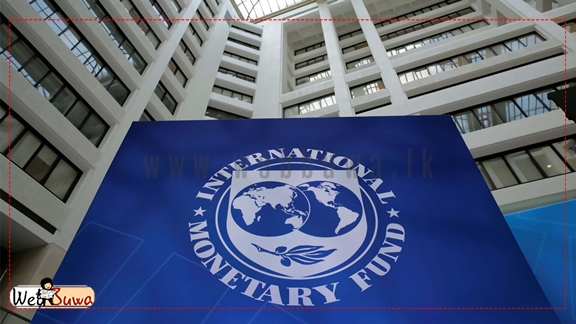
The International Monetary Fund (IMF) announced on Friday that its executive board has completed the third review under Sri Lanka’s 48-month Extended Fund Facility (EFF) arrangement. This approval enables the country to access Special Drawing Rights (SDR) 254 million (approximately USD 334 million) to support economic policies and reforms.
With this latest disbursement, the total financial assistance provided by the IMF to Sri Lanka under the program now stands at SDR 1.02 billion (around USD 1.34 billion).
The IMF highlighted that Sri Lanka has shown strong performance under the program, meeting all quantitative targets for December 2024, except for the indicative target on social spending. Most structural benchmarks due by January 2025 were either achieved or implemented with some delays. Additionally, the successful completion of the bond exchange was recognized as a significant step toward restoring debt sustainability.
While the economy is showing signs of recovery, the IMF stressed the importance of maintaining reform efforts to ensure long-term stability and debt sustainability.
The EFF arrangement, approved by the IMF Executive Board on March 20, 2023, amounts to SDR 2.286 billion (395% of Sri Lanka’s quota or approximately USD 3 billion). The program aims to restore macroeconomic stability, ensure debt sustainability, protect vulnerable populations, rebuild external reserves, and implement structural reforms to strengthen governance and promote growth.
Following the Executive Board discussion on Sri Lanka, Mr. Kenji Okamura, IMF Deputy Managing Director, issued the following statement:
“Reforms in Sri Lanka are bearing fruit and the economic recovery has been remarkable. Inflation remains low, revenue collection is improving, and reserves continue to accumulate. Economic growth averaged 4.3 percent since growth resumed in the third quarter of 2023. By end-2024, Sri Lanka’s real GDP is estimated to have recovered 40 percent of its loss incurred between 2018 and 2023. The recovery is expected to continue in 2025. As the economy is still vulnerable, it is critical to sustain the reform momentum to ensure macroeconomic stability and debt sustainability, and promote long-term inclusive growth. There is no room for policy errors.
“Program performance has been strong with all quantitative targets met, except for the indicative target on social spending. Most structural benchmarks due by end-January 2025 were either met or implemented with delay.
“Sustained revenue mobilization is crucial to restoring fiscal sustainability and ensuring that the government can continue to provide essential services. Boosting tax compliance and refraining from tax exemptions are key to maintaining support for economic reforms. To ease economic hardship and ensure the poor and vulnerable can participate in Sri Lanka’s recovery it is important to meet social spending targets and continue with reforms of the social safety net. Going forward, social support needs to be well-targeted towards the most disadvantaged so as to promote inclusive growth with limited fiscal space. Restoring cost-recovery electricity pricing without delay is needed to contain fiscal risks from state-owned enterprises. A smoother execution of capital spending within the fiscal envelope would foster medium-term growth.
“The progress to advance the debt restructuring to restore Sri Lanka’s debt sustainability is noteworthy. The recent successful completion of the bond exchange is a major milestone towards restoring debt sustainability. Timely finalization of bilateral agreements with creditors in the Official Creditor Committee and with remaining creditors is a priority now.
“Monetary policy should prioritize maintaining price stability, supported by sustained commitment to prohibit monetary financing and safeguard Central Bank independence. Continued exchange rate flexibility and gradually phasing out the balance of payments measures remain critical to rebuild external buffers and facilitate rebalancing.
“Resolving non-performing loans, strengthening governance and oversight of state-owned banks, and improving the insolvency and resolution frameworks are important priorities to revive credit growth and support the economic recovery.
“Prolonged structural challenges need to be addressed to unlock Sri Lanka’s long-term potential, including steadfast implementation of the governance reforms.”