



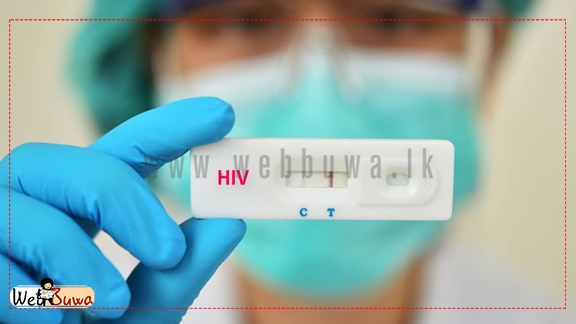
Health authorities in Sri Lanka have raised concerns over a growing trend of HIV infections among individuals aged 15 to 29.
According to officials, the highest number of reported cases comes from the Colombo and Gampaha districts. HIV, one of the world’s most serious sexually transmitted infections, attacks the immune system, leaving the body vulnerable to even minor illnesses.
Experts have identified three main modes of HIV transmission:
- Unprotected sexual contact with an HIV-positive person — particularly through anal intercourse, which carries a higher risk of transmission.
- Sharing of injection needles, which can transfer infected blood between users.
- Mother-to-child transmission, especially through breastfeeding when the mother is not on antiretroviral therapy (ART).
Sri Lanka received World Health Organization (WHO) certification in 2019 for successfully reducing mother-to-child HIV transmission.
As of March 2024, Sri Lanka has reported a total of 6,740 HIV-positive individuals, with men accounting for the majority of cases (a male-to-female ratio of 7:1).
The National STD/AIDS Control Programme (NSACP) provides free and confidential testing and treatment services across the country. Individuals can access free ART medication at any of the 41 STD clinics or call the NSACP hotline (+94 703 733 933) for private counseling.
The “KNOW FOR SURE” mobile app, launched by the Ministry of Health, offers accurate information on HIV prevention and testing. People can also use HIV self-test kits that detect infection through oral fluid for private testing.
Need for Early Awareness
Health experts emphasize the importance of HIV education from an early age, noting that even schoolchildren are becoming increasingly vulnerable. Authorities stress that early awareness and education are crucial to preventing further spread among youth