






Each year, March 26th is recognized as Purple Day, dedicated to raising awareness about epilepsy.
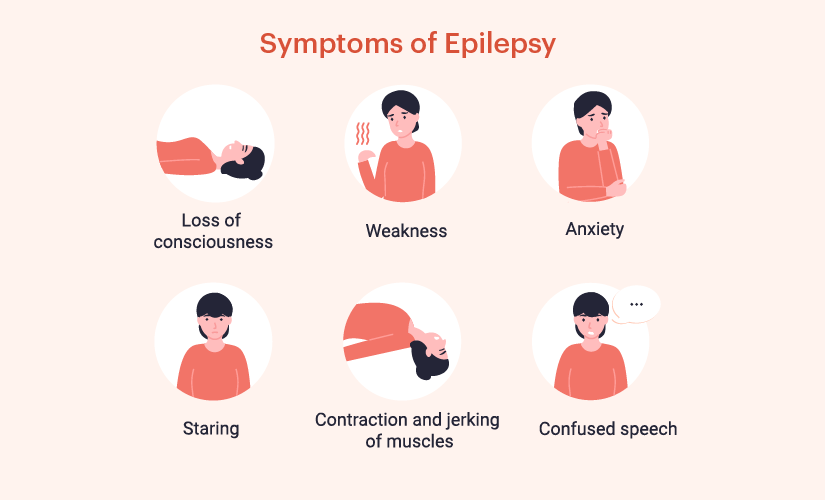
Epilepsy is a neurological disorder that affects millions of people worldwide. It’s characterized by recurrent seizures, which are sudden bursts of electrical activity in the brain that can cause temporary changes in behavior, sensation, or awareness.
While seizures can be frightening to witness, knowing what to do and what not to do can make a big difference in ensuring the safety of the person experiencing one.
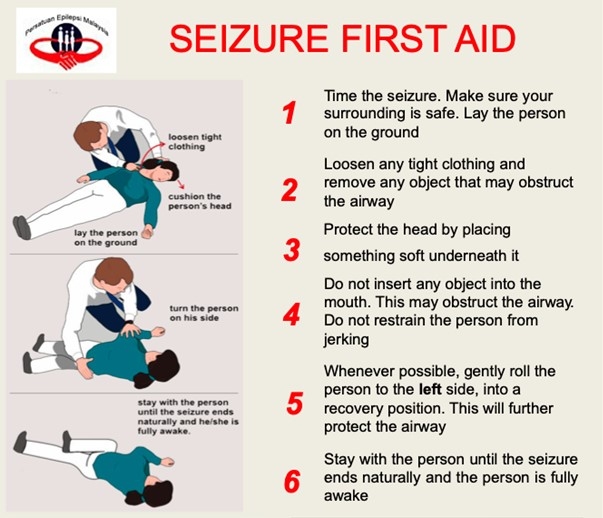
Here’s a quick guide on how to help someone having a seizure:
- Do:
- Stay calm and remain with the person.
- Protect them from injury by gently removing nearby objects or cushioning their head with something soft.
- Loosen any tight clothing around their neck.
- Time the seizure, if possible, to provide valuable information to medical personnel later.
- Once the seizure ends, roll the person onto their side (if unconscious) to allow fluids to drain.
- Speak calmly and reassuringly when they regain awareness.
- Offer to call for help or contact their emergency contact person if needed.
- Don’t:
- Restrain the person or try to force their movements.
- Put anything in their mouth, including your fingers. They cannot swallow their tongue.
- Move the person unless they are in immediate danger.
- Give them anything to eat or drink until they are fully alert.
- Attempt CPR unless breathing has stopped after the seizure.
By following these simple steps, you can help keep someone safe during a seizure and offer them support when they need it most.