









Procrastination is a common struggle that affects people across all ages and backgrounds. Whether you’re a student, professional, or juggling multiple roles, it can be easy to fall into the habit of delaying tasks. While occasional procrastination is normal, chronic procrastination can impact productivity, increase stress, and hinder personal growth.
Here are some practical strategies to help overcome procrastination and take charge of your tasks with focus and efficiency.
1. Understand Why You Procrastinate
Understanding the root cause of your procrastination can help you take targeted action. Common reasons include fear of failure, perfectionism, feeling overwhelmed, or a lack of motivation. Once you identify your specific reason, you can adopt a strategy to address it. For example, if you’re a perfectionist, set realistic standards and remind yourself that progress is better than perfection.
2. Set Clear Goals with Deadlines
Break down large tasks into smaller, manageable goals. When you set clear, time-bound goals, it’s easier to stay focused and motivated. Instead of “I need to write a report,” try, “I’ll complete the research by Wednesday and draft the report by Friday.” Giving each part a deadline not only reduces overwhelm but also gives a sense of accomplishment with each step.
3. Use the “Two-Minute Rule”
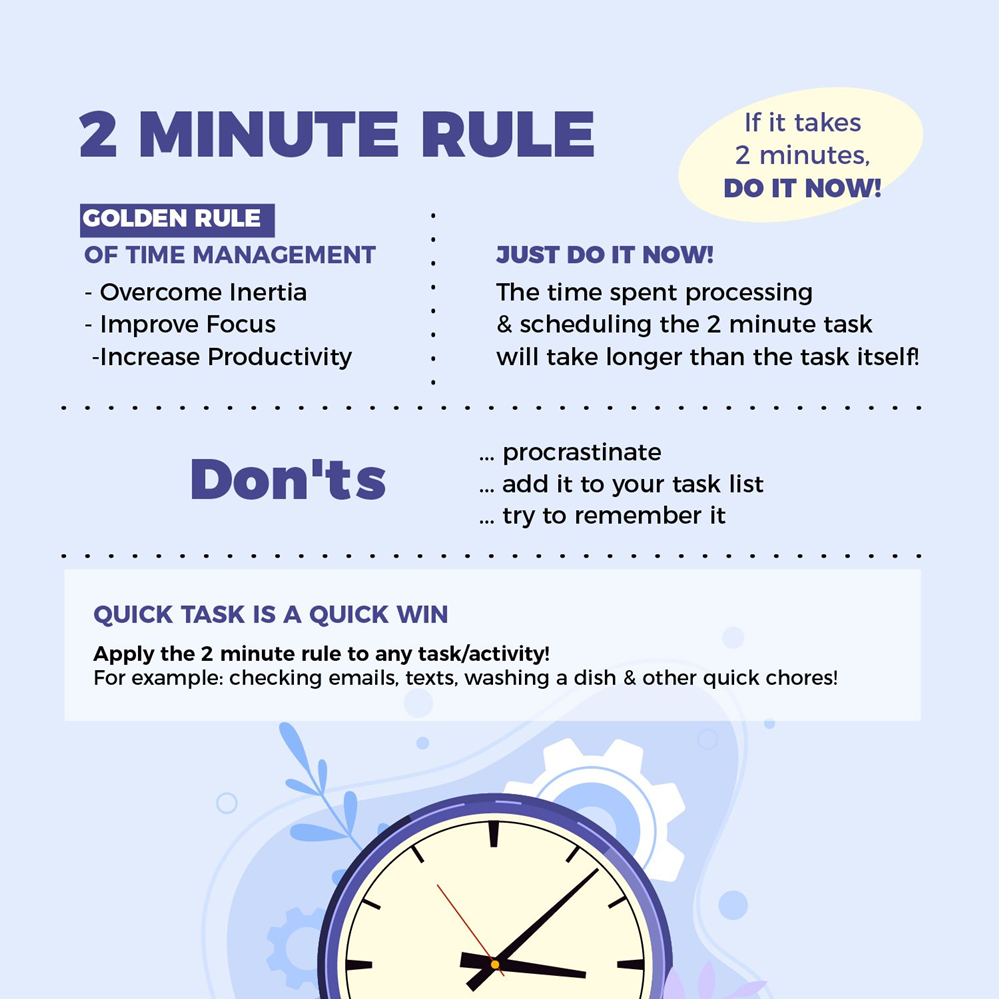
The “Two-Minute Rule” can help you get started on small tasks that often pile up. The idea is simple: if a task takes less than two minutes, do it right away. For larger tasks, commit to working on them for at least two minutes. Often, this short commitment helps you overcome the initial barrier to starting, and you may find yourself continuing for much longer.
4. Limit Distractions
Identify and minimize your distractions to maintain focus. This might mean putting your phone on “Do Not Disturb” mode, closing unnecessary browser tabs, or creating a dedicated workspace. Setting boundaries with friends or family members can also help keep you focused. Consider using productivity apps or browser extensions to block distracting sites during work hours.

5. Practice the Pomodoro Technique
The Pomodoro Technique is a time-management method that involves working in focused, 25-minute intervals with short breaks in between. After four “Pomodoros,” take a longer break. This technique boosts productivity by providing clear work-and-rest intervals, preventing burnout, and encouraging a sustainable work pace.
6. Find an Accountability Partner
An accountability partner can help you stay motivated and committed to your goals. This could be a friend, family member, or colleague who checks in with you on your progress. Knowing that someone else is aware of your goals can be a powerful motivator to stay on track.
7. Reward Yourself for Progress
Positive reinforcement is essential for maintaining motivation. Set up a reward system for completing tasks or reaching milestones. For example, treat yourself to a favorite snack, a relaxing break, or a fun activity after you finish a challenging project. These small rewards can make the process more enjoyable and reinforce productive behavior.

8. Focus on the Benefits, Not Just the Task
When you’re feeling unmotivated, try to focus on the benefits of completing the task rather than the task itself. Think about how completing it will reduce stress, create new opportunities, or lead to personal satisfaction. Shifting your mindset from “I have to do this” to “I want to do this to reach my goals” can make a significant difference.
9. Be Kind to Yourself
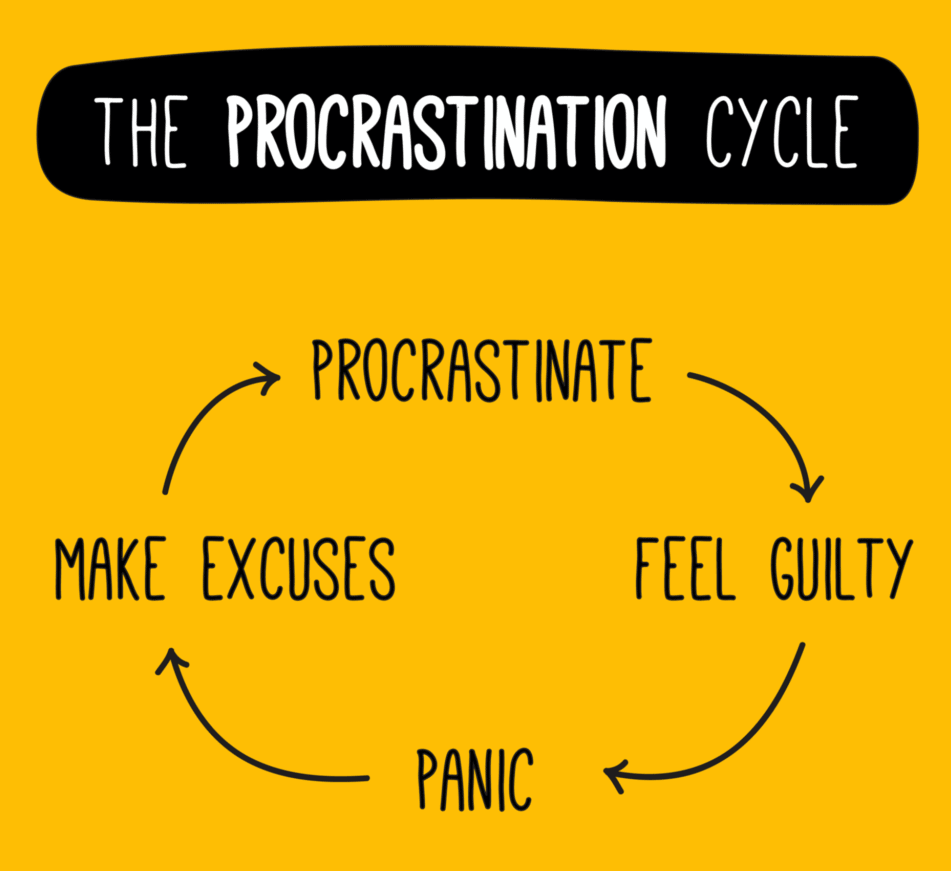
Procrastination is often accompanied by negative self-talk, which only reinforces the cycle. Recognize that procrastination is a common habit and that breaking it takes time and effort. Instead of criticizing yourself for past delays, focus on what you can do now to improve. Practicing self-compassion will make it easier to develop healthier habits without the added pressure.

10. Reflect and Adjust Regularly
Regularly evaluate your productivity techniques to see what works best for you. If a particular strategy isn’t effective, adjust it until you find a routine that suits your needs and preferences. Experimenting with different approaches and learning from experience can help you build long-lasting habits that prevent procrastination.
Overcoming procrastination is a process that requires self-awareness, patience, and consistency. By setting achievable goals, managing your environment, and adopting effective time-management strategies, you can work toward reducing procrastination and increasing productivity.
Remember, every small step counts.