







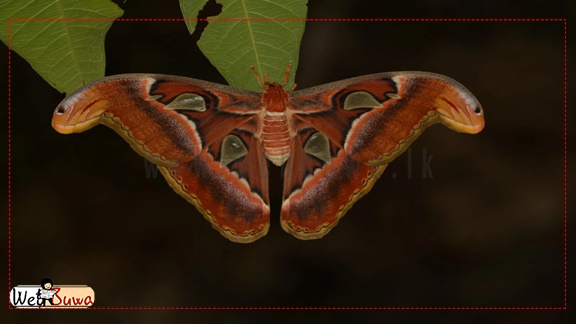
Sri Lanka, a biodiversity hotspot renowned for its vibrant wildlife, boasts a lesser-known treasure trove: moths. Often overshadowed by their flamboyant butterfly cousins, moths take center stage on this island nation, captivating naturalists with their stunning colors, fascinating life cycles, and ecological importance.
The island’s diverse habitats, from lush rainforests and misty mountains to arid zones and coastal ecosystems, provide a haven for a remarkable variety of moth species. Estimates suggest over 1900 moth species call Sri Lanka home, with new discoveries being made frequently. This staggering number places Sri Lanka among the most moth-rich regions in Asia, highlighting the island’s unique ecological significance.
A Kaleidoscope of Wings: Sri Lanka’s Moth Families
Sri Lanka’s moth fauna is a tapestry woven from numerous families, each with unique characteristics and contributing to the island’s breathtaking biodiversity. Here’s a closer look at some of the island’s most fascinating moth families:
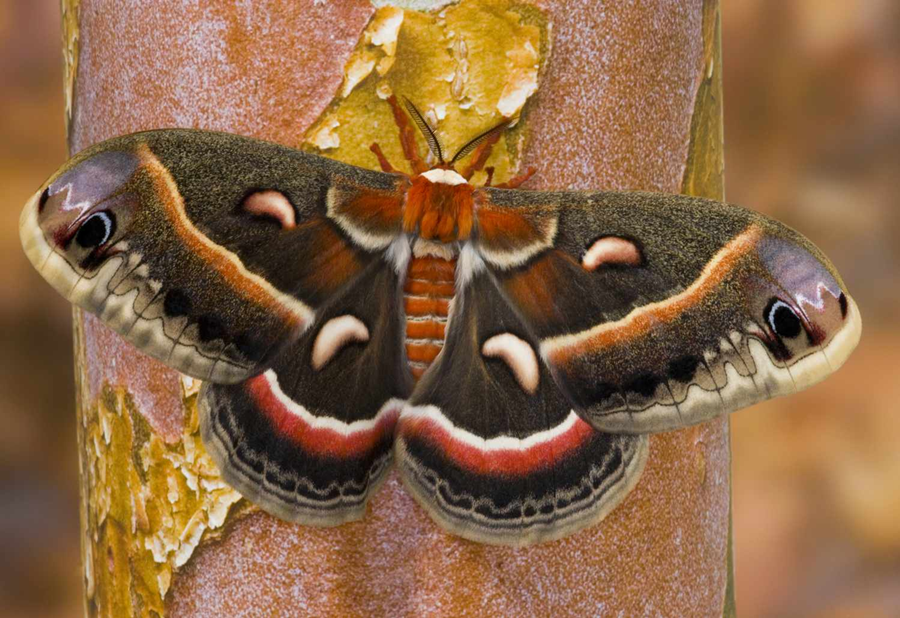
- Giant Silk Moths (Saturniidae): These gentle giants, often considered the most spectacular moths globally, hold a special place in Sri Lanka’s moth assemblage. The iconic Sri Lankan Moon Moth (Actias selene taprobanis) with its lime-green wings and tails resembling swallowtails, and the Atlas Moth (Attacus taprobanis), the largest moth in the world with a wingspan exceeding 10 inches, are just a few examples. Their impressive size and striking appearance make them truly unforgettable sights.
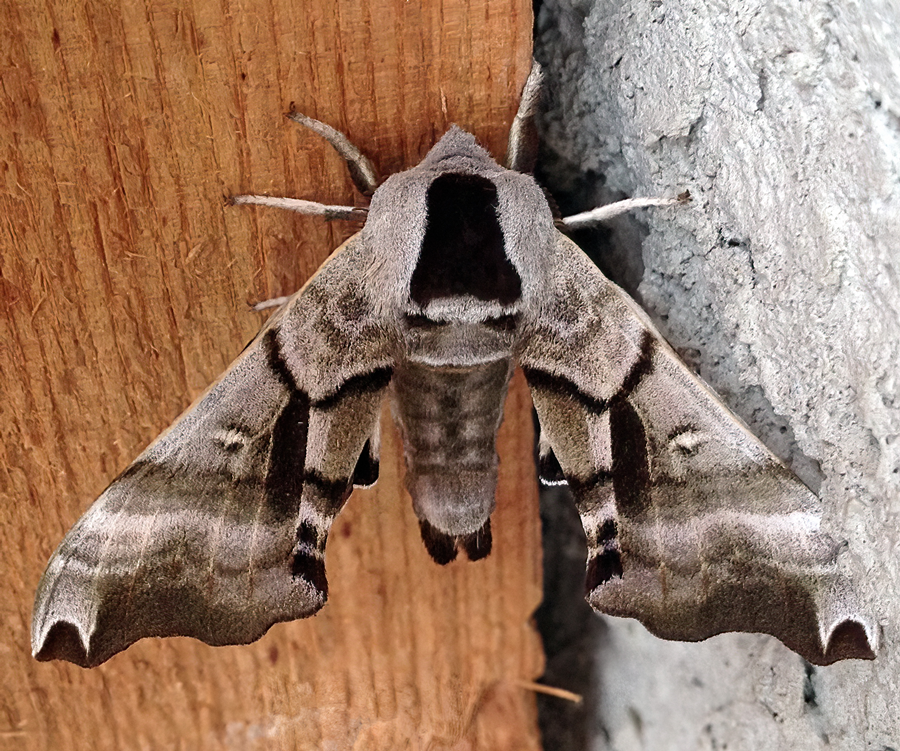
- Sphinx Moths (Sphingidae): Often mistaken for hummingbirds due to their hovering flight and daytime activity, sphinx moths like the Death’s Head Hawkmoth (Acherontia lachesis) are captivating pollinators. With their streamlined bodies, powerful wings, and long proboscis for reaching deep into flowers, these aerial acrobats play a vital role in ensuring the reproduction of night-blooming plants. Some sphinx moth species, like the Elephant Hawkmoth (Theretra nessus), even mimic the sound of small mammals to startle potential predators.
- Bagworm Moths (Psychidae): These masters of camouflage are a testament to nature’s ingenuity. Unlike their flamboyant relatives, bagworm moths take a more subdued approach. The larvae of these moths construct portable silk cases, often incorporating bits of leaves and twigs from their surroundings, creating a remarkable disguise that blends seamlessly with the environment. As the larvae grow, they keep adding to their mobile homes, carrying them wherever they go.
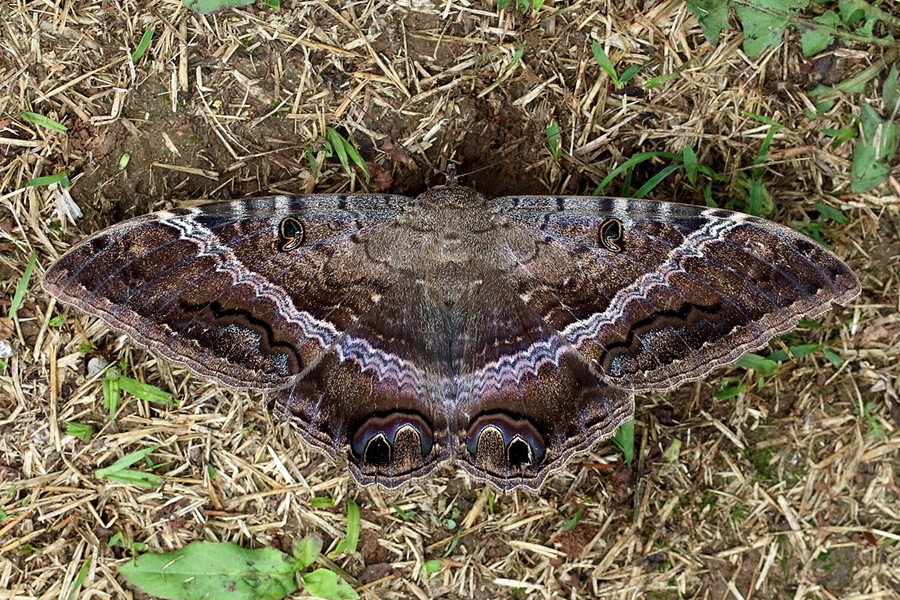
- Erebidae: This expansive family, also known as tiger moths, owlet moths, and underwings, is one of the most diverse moth groups globally and is well-represented in Sri Lanka. They come in a wide range of shapes, sizes, and colors, with some species sporting intricate wing patterns that resemble eyespots or even snake heads, serving as a clever defense mechanism against predators.
Beyond Beauty: The Ecological Significance of Moths
Moths are not just beautiful additions to Sri Lanka’s nightscape; they play a crucial role in the island’s delicate ecological balance. Here’s how these nocturnal wonders contribute to a healthy ecosystem:
- Pollinators of the Night: Many moth species, particularly sphinx moths with their long proboscis, act as vital pollinators for night-blooming plants. These fragrant flowers, often white or pale-colored to be visible in the darkness, rely on moths for successful reproduction. The unique relationship between these moths and night-blooming flora ensures the survival of both species.
- Food Source for a Diverse Fauna: Moths serve as a critical food source for a wide range of animals. Bats, birds like nightjars and owls, and insectivores like lizards and shrews all rely on moths for sustenance. A healthy moth population is essential for maintaining a balanced food chain and ensuring the well-being of these other creatures.
- Decomposers and Nutrient Cycling: Certain moth larvae, particularly those belonging to the Crambidae family, feed on dead leaves and plant litter. As they consume this organic matter, they contribute to decomposition, breaking down plant material and returning nutrients back to the soil, thus enriching the ecosystem.
Despite their importance, Sri Lanka’s moths face threats. Habitat loss due to deforestation and the conversion of natural areas for agriculture and development fragments and destroys their homes. Light pollution from urban areas disrupts their nocturnal behavior and can hinder their ability to find mates and navigate their environment. Additionally, the overuse of insecticides in agriculture can harm moth populations, both directly and indirectly by reducing the availability of their food sources (plants).
Conservation efforts are crucial to ensure the survival of Sri Lanka’s fascinating moth fauna. Protecting natural habitats, promoting sustainable agricultural practices that minimize pesticide use, and raising awareness about the importance of moths are all essential steps. By appreciating the beauty and ecological significance