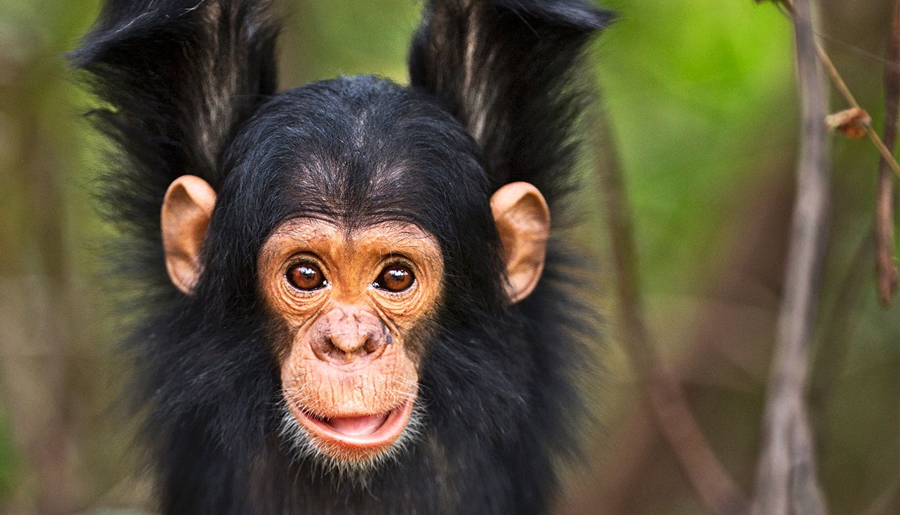







Chimpanzees, often hailed as our closest living relatives, are a marvel of nature. Sharing a staggering 98% of our DNA, these intelligent apes offer a fascinating glimpse into our evolutionary past.
Known for their problem-solving prowess, chimpanzees exhibit remarkable tool-using abilities. From employing sticks to fish for termites to cracking nuts with stones, their ingenuity is undeniable. These tools aren’t just for survival; they’re also used in social interactions, highlighting their complex cognitive skills.
Living in intricate social structures, chimpanzees form strong bonds within their groups. They engage in cooperative hunting, share food, and comfort one another, demonstrating empathy and altruism. Their societies are complex, with hierarchies, alliances, and even political maneuvering.
Intriguingly, chimpanzees are skilled imitators. They can learn sign language, understand symbols, and even use simple tools like smartphones. This capacity for cultural transmission suggests a depth of learning and understanding that rivals many other species.
While primarily herbivorous, chimpanzees are omnivores with a taste for meat. They’ve been observed hunting small animals and sharing the spoils, hinting at a predatory instinct that may have played a role in human evolution.
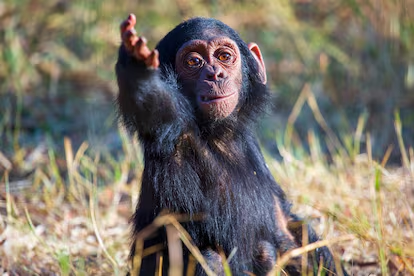
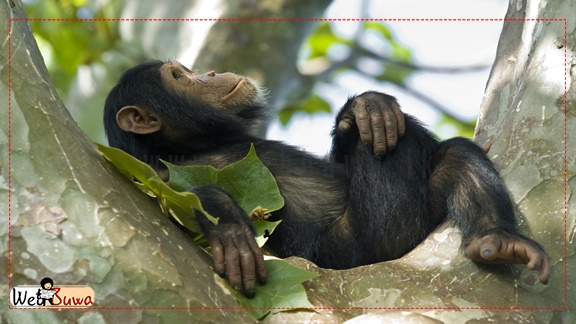
As arboreal creatures, chimpanzees are exceptionally skilled climbers. They build nests in trees for sleeping, using branches and leaves as materials. This behavior offers protection from predators and provides a comfortable resting place.
Unfortunately, chimpanzees face significant threats in the wild. Habitat loss and poaching have led to population declines, making them an endangered species. Conservation efforts are crucial to protect these remarkable animals and preserve their vital role in the ecosystem.
From their intelligence and tool use to their complex social lives and similarities to humans, chimpanzees continue to captivate scientists and the public alike. Studying these apes offers invaluable insights into our own evolutionary journey and underscores the importance of conservation for protecting our closest living relatives.