




Have you ever wondered why some people seem to effortlessly achieve frizz-free, bouncy curls, while others struggle with dryness and breakage? The answer might lie in hair porosity.
What is Hair Porosity?
Hair porosity refers to your hair’s ability to absorb and retain moisture. It’s all about the cuticle, the outermost layer of your hair strand. Imagine the cuticle like shingles on a roof. Tightly packed shingles represent low porosity hair, while lifted shingles indicate high porosity. This structure plays a crucial role in how your hair interacts with moisture and products. Understanding your hair porosity is essential for crafting a hair care routine that truly works for you.
Types of Hair Porosity
There are three main types of hair porosity: low, medium, and high.
- Low Porosity: Hair with tightly closed cuticles that resist moisture absorption. This can lead to product buildup and difficulty with styling. Low porosity hair often appears shiny but can be prone to dryness.
- Medium (Normal) Porosity: The ideal scenario! Hair with medium porosity has cuticles that allow for balanced moisture absorption and retention. This hair type is generally easy to manage and requires less maintenance.
- High Porosity: Hair with raised cuticles or gaps, making it prone to frizz and dryness. High porosity hair absorbs moisture quickly but struggles to retain it, leading to constant thirst for hydration.
Methods to Check Hair Porosity
Not sure what your hair porosity is? Here are a few simple tests you can try at home:
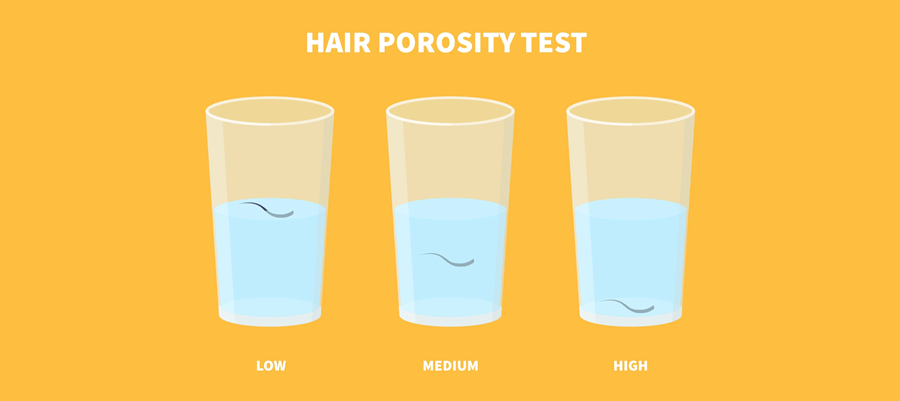
- Float Test: Take a few strands of clean hair and place them in a glass of water. If your hair floats, it’s low porosity. If it sinks quickly, it’s high porosity. Hair that stays somewhere in the middle indicates medium porosity.
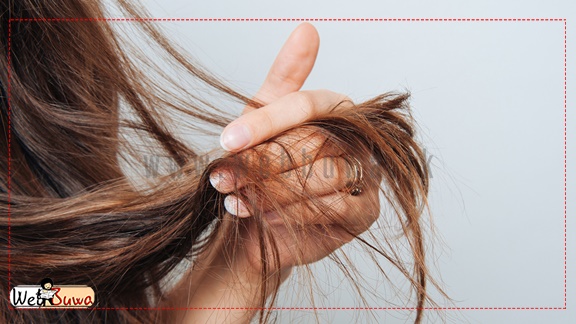
- Slip ‘n’ Slide Test: Slide your fingers up a strand of hair from the tip to the root. If it feels smooth, you likely have low porosity hair. A bumpy texture suggests high porosity.
- Spray Bottle Test: Spray a small section of hair with water. If the water beads up, it’s low porosity. If it absorbs quickly, it’s high porosity. Medium porosity hair will absorb the water after a short delay.
Hair Care Tips Based on Porosity
Once you know your hair porosity, you can tailor your hair care routine to address its specific needs:
- Low Porosity: Use lightweight products and avoid heavy oils and butters that can weigh down your hair. Occasional heat styling can help open the cuticles and allow for better product penetration. Limit protein-rich products that can further hinder moisture absorption.
- Medium Porosity: Lucky you! You likely have a good foundation for healthy hair. Maintain a balanced hair care routine that incorporates moderate amounts of moisture and protein.
- High Porosity: Combat dryness with heavier creams, butters, and oils to seal in moisture. Protein treatments are your friend, as they help strengthen the hair shaft. Be mindful of heat styling and chemical treatments, which can further damage the cuticle.
Understanding your hair porosity empowers you to create a personalized hair care routine that addresses your hair’s unique needs. By using the right products and techniques, you can achieve healthy, manageable, and beautiful hair. If you need further guidance, consulting a hair care professional can help you develop a personalized plan.
Remember, your hair porosity can change over time due to environmental factors and hair treatments. Be mindful of seasonal changes and adjust your routine accordingly. There are many hair care products available for each porosity type. Consider researching and experimenting to find what works best for your hair.