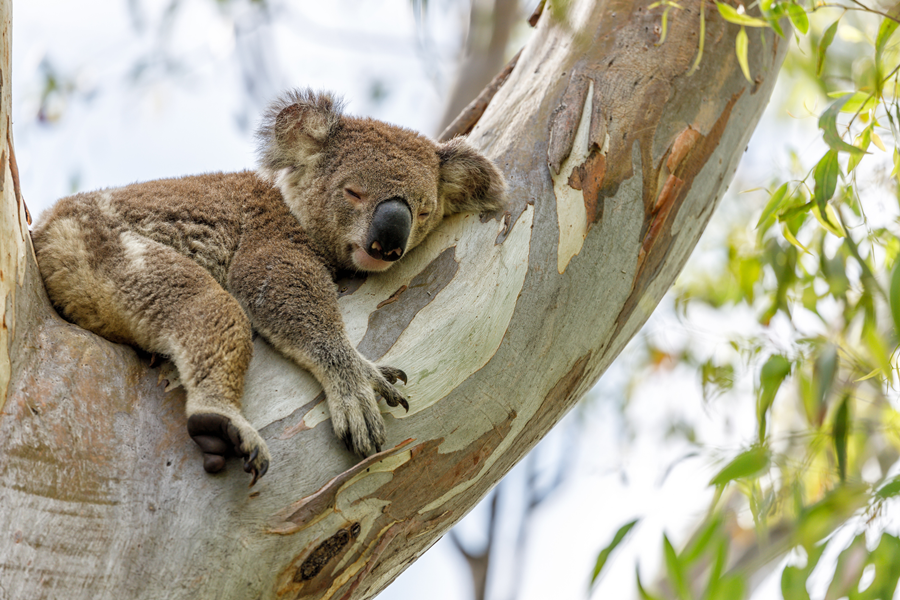








Cuddly and charismatic, koalas hold a special place in our hearts. But beyond the cuteness lies a fascinating evolutionary story. Let’s delve into the koala’s family tree and discover their surprising marsupial relatives.
Ancient Origins
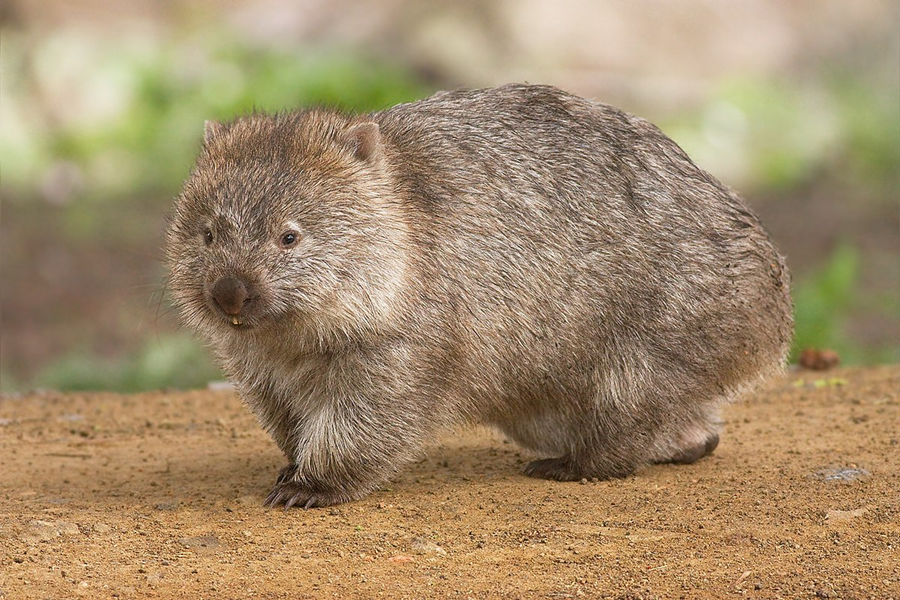
The koala’s journey begins around 40 million years ago, during the Eocene epoch. Fossils suggest their lineage diverged from a common ancestor shared with wombats. Together, they form the suborder Vombatiformes within the larger group of Diprotodontia – a diverse bunch of herbivorous marsupials unique to Australia.
Extinct Ensembles
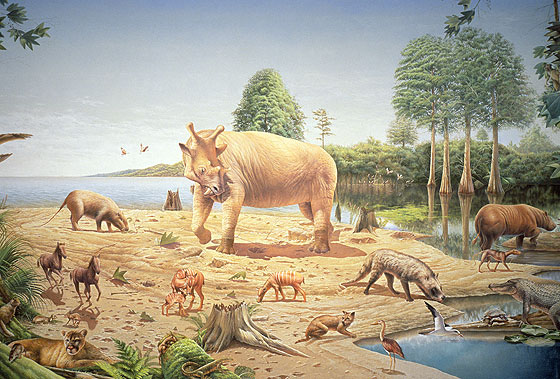
The Vombatiformes family tree boasts some impressive extinct members. Imagine giant wombats the size of rhinos and pouched “marsupial lions” with formidable jaws! These ancient relatives highlight the incredible diversity of marsupials that once thrived in Australia.
A Fork in the Road
While koalas and wombats share a close bond, their evolutionary paths diverged significantly. Ancestral koalas enjoyed a more varied diet, but over time, they specialized in eucalyptus leaves. This unique diet required adaptations like a powerful digestive system and a super sense of smell to navigate the complex world of eucalyptus toxins.
Macropods and the Marsupial Mix:
The koala family tree doesn’t end with wombats. Vombatiformes are considered the sister group to another major branch of Diprotodontia – the macropods. This group encompasses the hopping superstars of Australia: kangaroos, wallabies, and their kin. While their lifestyles differ dramatically, both koalas and macropods share a common ancestor further back in time.
The Pouched Posse
Koalas, wombats, kangaroos – they’re all part of a larger group of marsupials. Unlike placental mammals, marsupials raise their young in a pouch. Looking beyond Australia, we find other iconic marsupials like opossums in the Americas and the fascinating marsupial moles that burrow underground. The presence of pouches across continents hints at a common ancestor for all marsupials, likely originating millions of years ago.
A Living Fossil? Not Quite
The term “living fossil” is sometimes used for koalas, suggesting they haven’t changed much since their ancient origins. While their basic body plan remains similar to their ancestors, the koala’s specialized diet and adaptations showcase significant evolutionary change. They may not be rapidly hopping across the outback, but koalas are far from frozen in time.
Understanding the Past, Protecting the Future
Studying the koala’s evolutionary history helps us appreciate their unique adaptations and understand their place in the marsupial world. By recognizing the threats koalas face – habitat loss, disease, and climate change – we can work towards ensuring this charismatic creature continues its remarkable evolutionary journey for generations to come.