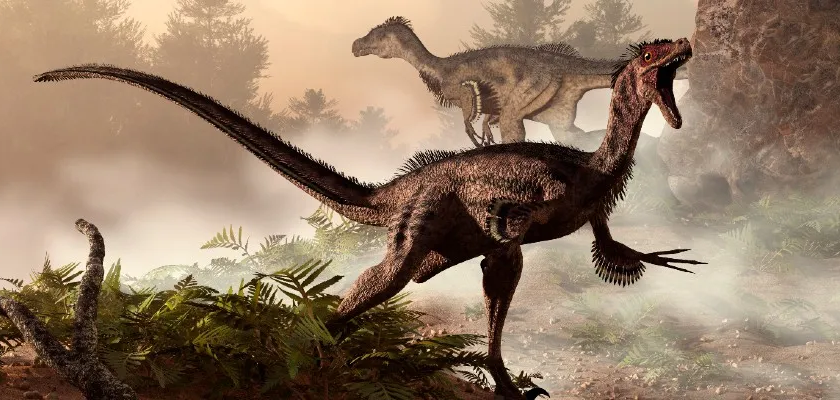







The velociraptor, meaning “swift thief” in Latin, is a dinosaur that has captured our imaginations. Popularized by films like Jurassic Park, these creatures are often depicted as ferocious, human-sized hunters. But the reality, as with many things prehistoric, is far more fascinating.
Built for Agility
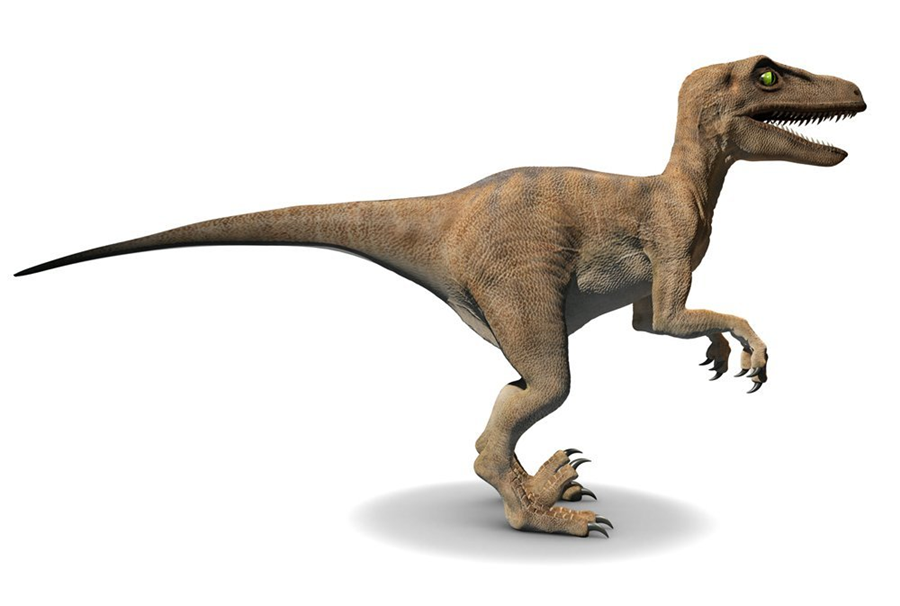
Velociraptors were not the monstrous giants of fiction. They were sleek, feathered carnivores, reaching only about 1.5 to 2 meters (5 to 6.5 feet) in length and weighing around 15 kilograms (33 pounds). Their bodies were built for speed and agility. They had long, powerful legs for running, a stiffened tail for balance, and a distinctive feature – an enlarged, sickle-shaped claw on each hindfoot. This claw, believed to be incredibly sharp, was likely used for delivering a final, deadly blow to prey.
Fathers and Fossils
Unlike their reptilian portrayal in popular media, velociraptors were most likely covered in feathers. Fossil evidence, including exquisitely preserved specimens from China, shows impressions of feather quills around their bodies. These feathers may have served for insulation, display, or even rudimentary flight.
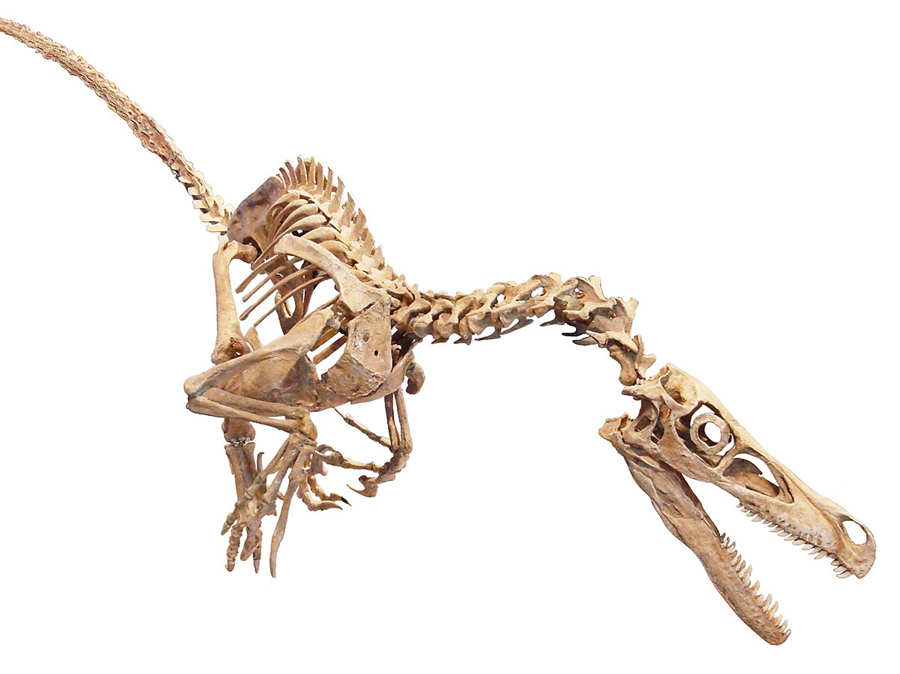
Our knowledge of velociraptors comes from fossils unearthed in Mongolia and China, dating back to the Late Cretaceous period, roughly 75 to 71 million years ago. These fossils include complete skeletons, crushed skulls, and even fossilized claws, offering a glimpse into the anatomy and behavior of these agile predators.
Desert Dwellers
Velociraptors likely inhabited forested areas bordering vast deserts in what is now Asia. This environment would have been teeming with life, offering a rich hunting ground for these opportunistic carnivores. Their diet is believed to have consisted of lizards, small mammals, and even other dinosaurs.
The Stories in Stone
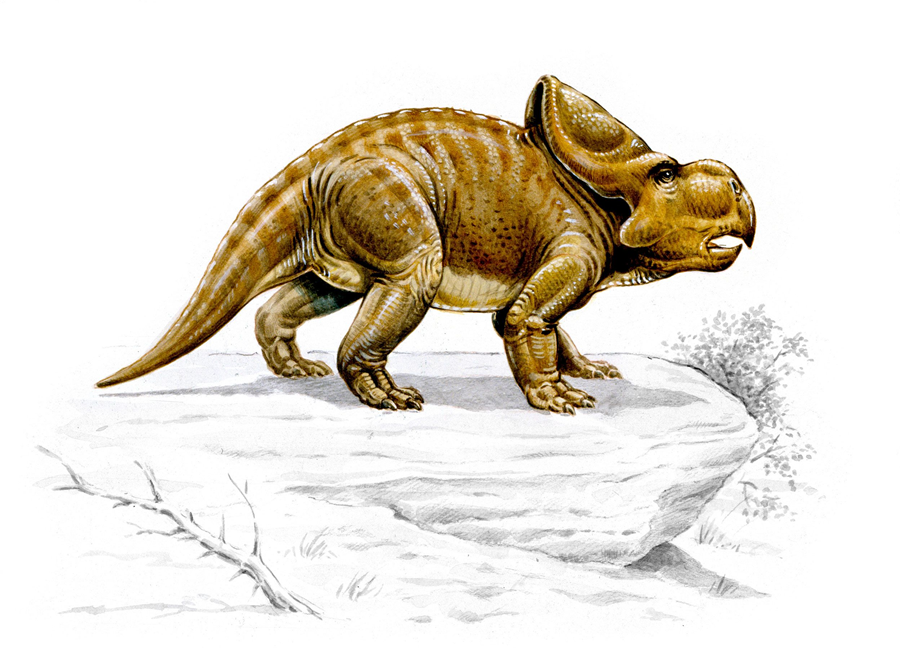
One particularly remarkable fossil discovery tells a story of predator and prey locked in a final struggle. A velociraptor claw is found embedded in the fossilized remains of a Protoceratops, a small herbivore. This suggests that the velociraptor may have been killed while attempting to take down its prey, offering a rare glimpse into the dangers of prehistoric life.
Beyond the Jurassic Hype
The velociraptor is a reminder that the truth about dinosaurs is often stranger and more captivating than fiction. These feathered predators were not mindless killing machines, but intelligent and cunning hunters, perfectly adapted to their environment. As we continue to unearth fossils and analyze evidence, our understanding of these remarkable creatures continues to evolve. The velociraptor’s story is far from over, and with every new discovery, we gain a deeper appreciation for the lost world they once dominated.