






Parkinson’s disease is a neurodegenerative disorder that disrupts the brain’s ability to control movement. While tremors are the most iconic image of Parkinson’s, it affects people in many ways. This article dives into the causes, symptoms, treatment options, and even potential preventative measures.
What Happens Inside?
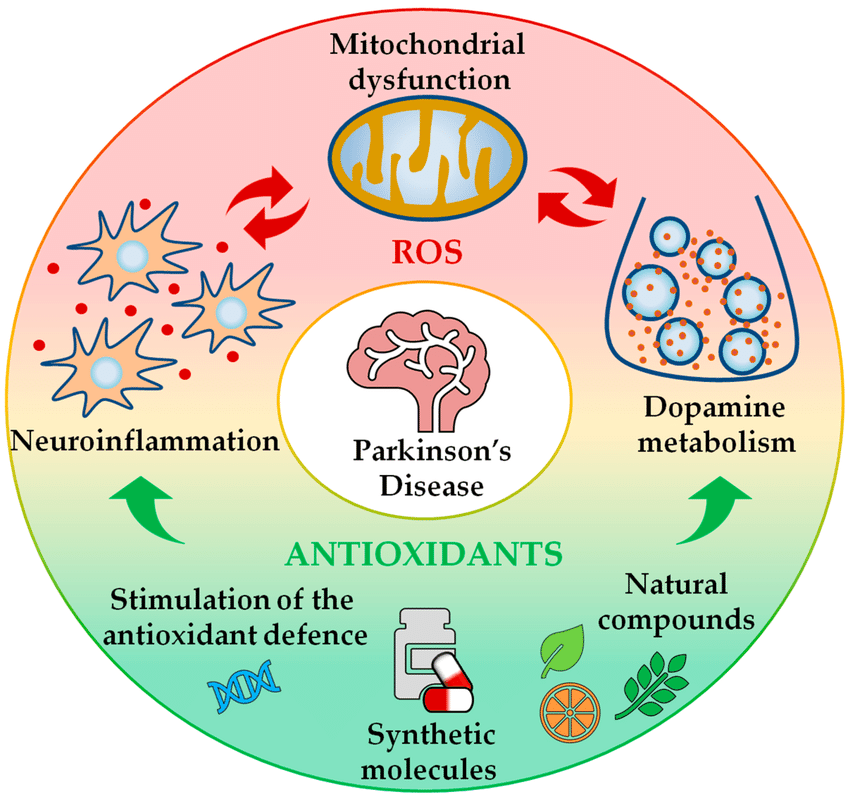
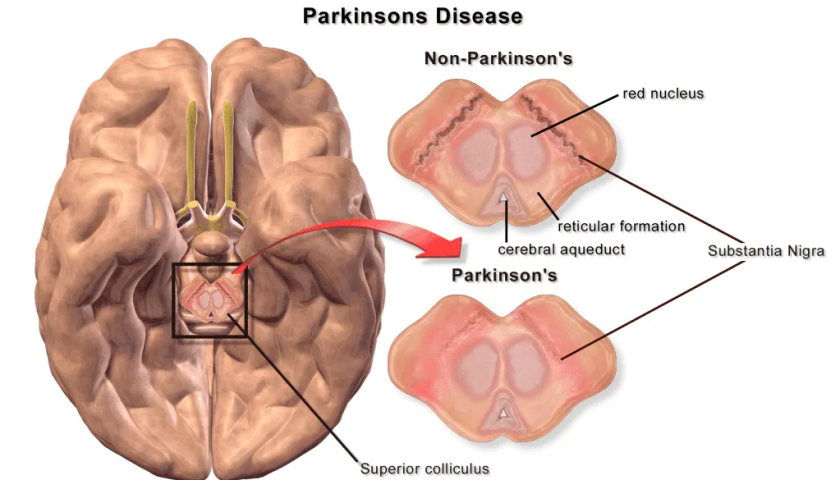
Parkinson’s stems from the loss of dopamine-producing neurons in the substantia nigra, a part of the brain. Dopamine is a vital chemical messenger that coordinates smooth movement. As these cells deteriorate, the brain struggles to send the proper signals, leading to the characteristic symptoms.
What to Watch For:
The early signs of Parkinson’s can be subtle. Here’s what to be aware of:
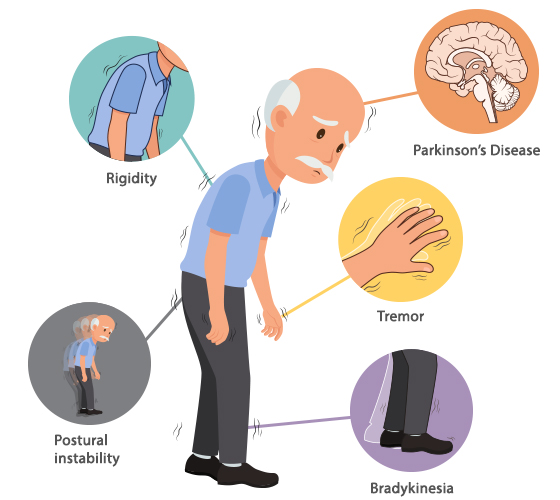
- Tremor in a hand or limb, often at rest
- Stiffness or rigidity in the muscles
- Slowness of movement (bradykinesia)
- Difficulty with walking or balance
The progression of these symptoms varies, but it’s important to see a doctor if you experience any of them.
Living with Parkinson’s
If you are diagnosed with Parkinson’s, it’s important to know you’re not alone. There is no cure, but a variety of treatments can significantly improve your quality of life:
- Medication: Levodopa, the most common drug, helps replace dopamine in the brain. Other medications manage tremors and stiffness.
- Surgery: Deep brain stimulation, where electrodes are implanted to regulate brain activity, can be an option in severe cases.
- Physical therapy: Regular exercise programs can improve flexibility, balance, and coordination.
Can We Prevent It?
The exact cause of Parkinson’s remains elusive, making true prevention difficult. However, research suggests certain factors may play a role:
- Genetics: Having a family history slightly increases the risk.
- Environmental toxins: Exposure to herbicides or pesticides may be a potential risk factor.
- Head injuries: A history of head injuries may be linked to an increased risk.
While these factors can’t be entirely controlled, maintaining a healthy lifestyle with regular exercise and a balanced diet might offer some protective benefits.
Living a Fulfilling Life
Parkinson’s can be a challenging condition, but with proper treatment and support, people with Parkinson’s can live active and fulfilling lives.
Remember, early diagnosis and proactive management are key to navigating Parkinson’s effectively.