





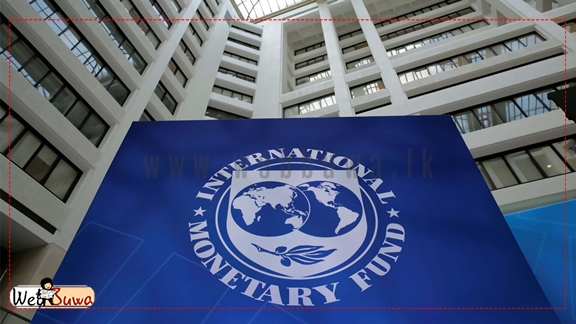
The Executive Board of the International Monetary Fund (IMF) has completed the combined Fifth and Sixth Reviews of Sri Lanka’s Extended Fund Facility (EFF) programme, enabling the country to immediately access SDR508 million, equivalent to about US$695 million, to support ongoing economic reforms and policy measures.
With the latest disbursement, total financial assistance received by Sri Lanka under the IMF programme has increased to SDR1.778 billion, or approximately US$2.4 billion.
Sri Lanka’s 48-month EFF arrangement, approved on March 20, 2023, amounts to SDR2.286 billion (around US$3 billion). The programme is aimed at restoring macroeconomic stability through fiscal and debt sustainability reforms, protecting vulnerable communities, strengthening financial and price stability, rebuilding external reserves, improving governance, reducing corruption risks, and implementing growth-focused structural reforms.
Issuing a statement after the review, IMF Deputy Managing Director and Acting Chair Kenji Okamura said Sri Lanka has continued to implement the reform programme strongly despite difficult global and domestic conditions.
He noted that the reforms have helped maintain economic resilience and allowed authorities to respond to the impacts of Cyclone Ditwah and the ongoing conflict in the Middle East. However, he warned that the Middle East war has negatively affected Sri Lanka’s economic outlook and increased downside risks.
The IMF projects Sri Lanka’s economic growth to slow to 3 percent in 2026 due to higher oil prices, rising inflation, weaker external balances, and lower tourism earnings.
The statement also highlighted that temporary fiscal easing in 2026 is appropriate to address current economic shocks, while additional government spending has been allocated for recovery and reconstruction efforts following Cyclone Ditwah.
The IMF emphasized the importance of maintaining fiscal discipline from 2027 onwards, including returning to the primary balance target of 2.3 percent of GDP and adhering to expenditure limits.
While overall programme performance remains strong, the IMF stressed that further progress is needed in public financial management, investment management, and electricity sector reforms. It also underscored the importance of continued revenue mobilization and developing a medium-term revenue strategy to improve the efficiency of the tax system.
The IMF added that although Sri Lanka’s debt restructuring process is nearing completion, debt sustainability risks remain elevated.
The statement further noted that monetary policy should continue focusing on price stability, while greater exchange rate flexibility and the gradual removal of balance-of-payments restrictions are necessary to strengthen external reserves and economic resilience.
The IMF also called for carefully designed structural reforms and renewed public infrastructure investment to improve the business environment and support long-term economic growth.