







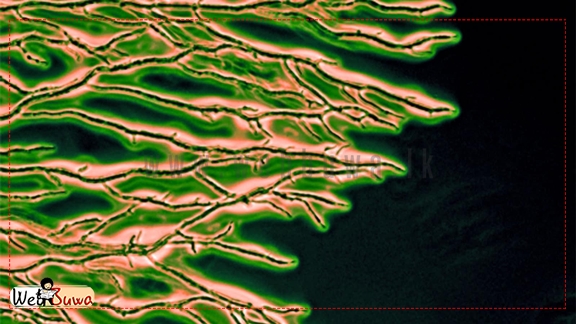
For centuries, fungi have captivated scientists with their diverse forms, from the familiar caps of mushrooms to the hidden networks of thread-like structures underground. A recent breakthrough study has shed light on the evolution of these fascinating organisms, revealing a critical “tipping point” that governs their shape and growth rate.
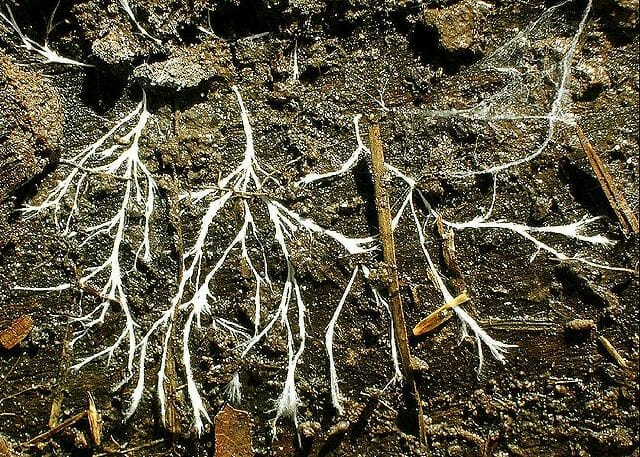
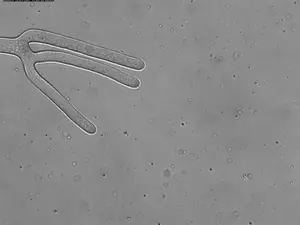
Fungi extend thread-like filaments called hyphae, which weave together to form a vast network known as mycelium. This network plays a crucial role in nutrient absorption and exploration of the environment. The research, published in Cell Reports, focused on how these hyphae take shape.
Traditionally, scientists have viewed evolution as a process driven by natural selection, where beneficial traits are passed on while less advantageous ones are lost. This perspective suggests that a wide variety of hyphae shapes could exist, with some being better suited for specific environments.
However, the new study proposes a more nuanced picture. Researchers discovered that the fitness landscape for hyphae growth is not a simple hill-climbing exercise. Instead, it contains a significant obstacle – a cliff, or tipping point. Beyond this point, certain shapes become unstable and disadvantageous for the fungus.
This tipping point acts as a barrier, limiting the range of shapes that fungi can evolve into. Interestingly, fungi with shapes teetering on the edge of this cliff are particularly vulnerable to even minor environmental changes. These changes, such as chemical fluctuations or genetic mutations, can push the fungus past the tipping point, hindering its growth and survival.
The implications of this discovery are significant. It suggests that seemingly small environmental shifts can have a dramatic impact on the evolution of fungi. This newfound understanding could have applications in various fields, from agriculture (where fungi play a vital role in plant health) to medicine (where some fungi cause diseases).
By understanding the tipping points in fungal evolution, scientists can develop strategies to manipulate fungal growth for our benefit. They might be able to cultivate more resilient fungi for agricultural use or identify weaknesses in pathogenic fungi to develop better treatments.
This research also highlights the complex and fascinating interplay between environment and evolution. Even in the seemingly simple world of fungi, hidden tipping points can have profound consequences for the shape and growth of these essential organisms.