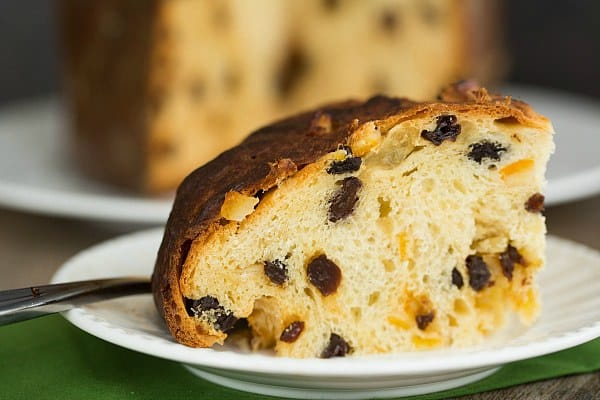






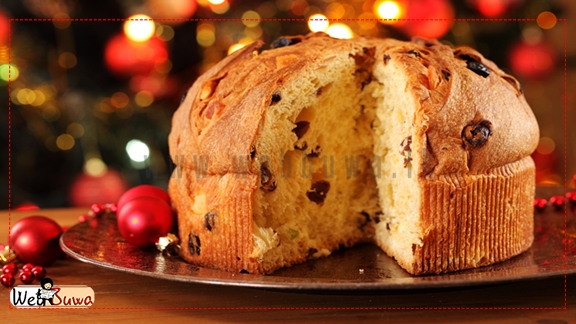
Easter feasts are synonymous with delicious breads, and the Italians take the cake, well, bread, with their iconic Panettone. This dome-shaped masterpiece isn’t just a treat for the taste buds; it’s a centerpiece that embodies the spirit of the holiday.
Packed with candied citrus peel, raisins, and a rich, buttery dough, Panettone is a mode of love that rewards your efforts with a heavenly flavor and aroma. While there are shortcuts, the traditional method involves a biga, a pre-ferment that adds depth and complexity.
Here’s the way to creating your own Panettone for a truly special Easter celebration.
Ingredients:
For the Biga:
- 1/4 cup warm water (around 100°F)
- 1 (1/4-ounce) envelope active dry yeast
- 1/4 cup all-purpose flour
For the Dough:
- 3/4 cup warm milk (around 100°F)
- 3/4 cup granulated sugar
- 4 large eggs, at room temperature
- 1 teaspoon anise seeds, crushed (optional)
- 1 1/2 teaspoons lemon extract
- 1 tablespoon grated lemon zest
- 1 1/4 teaspoons salt
- 2 tablespoons vegetable oil
- 6 tablespoons unsalted butter, melted and cooled slightly
- 4 1/2 cups all-purpose flour, plus more for dusting
- 1 cup golden raisins
- 1/2 cup chopped candied orange peel
- 1/2 cup chopped candied citron peel
- 1 egg, beaten, for egg wash
- Pearl sugar or granulated sugar, for garnish (optional)
Instructions:
- Make the Biga: In a small bowl, combine warm water, yeast, and flour. Mix well to form a shaggy dough. Cover the bowl tightly with plastic wrap and let rise at room temperature for at least 4 hours, or overnight.
- Prepare the Dough: In a large bowl, whisk together warm milk, sugar, eggs, anise seeds (if using), lemon extract, lemon zest, and salt. Add the biga and stir until incorporated.
- Mix in the Dry Ingredients: Gradually add the flour, one cup at a time, using a stand mixer with a dough hook or mixing by hand on a lightly floured surface. Once all the flour is incorporated, knead the dough for 5-7 minutes, or until smooth and elastic.
- Incorporate the Fat: Slowly drizzle in the vegetable oil and melted butter, a little at a time, kneading well after each addition. This may take several minutes. The dough will become very sticky, but continue kneading until it becomes smooth and pulls away from the sides of the bowl.
- Bulk Fermentation: Lightly oil a large bowl. Transfer the dough to the bowl, turning it to coat with oil. Cover the bowl tightly with plastic wrap and let rise in a warm place for 2-3 hours, or until doubled in size.
- Incorporate the Fruits: Punch down the dough and transfer it to a lightly floured surface. Gently knead in the raisins, candied orange peel, and candied citron peel.
- Shape and Final Rise: Grease a tall panettone mold or a bundt pan. Shape the dough into a ball and place it in the prepared pan. Cover loosely with plastic wrap and let rise in a warm place for another 1-2 hours, or until the dough reaches the top of the pan.
- Bake and Garnish: Preheat oven to 350°F (175°C). Brush the top of the panettone with egg wash and sprinkle with pearl sugar or granulated sugar, if desired. Bake for 50-60 minutes, or until a toothpick inserted into the center comes out clean.
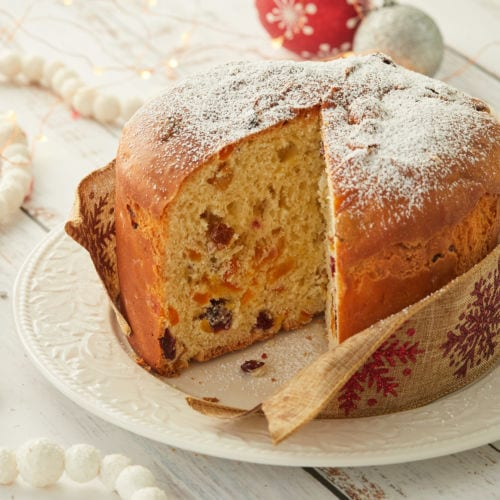
- Cool and Enjoy: Remove the panettone from the oven and let it cool completely in the pan before inverting it onto a wire rack. Once cool, slice and serve dusted with powdered sugar for a truly festive Easter breakfast or dessert.