

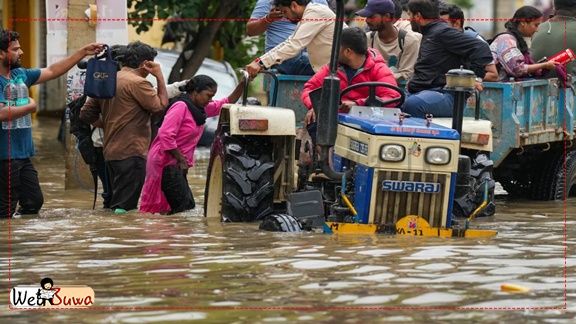
The Epidemiology Unit has warned the public to remain vigilant against the risk of communicable diseases in the aftermath of the recent disaster. Consultant Community Physician at the Epidemiology Unit, Dr. Athula Liyanapathirana, stressed that drinking only boiled water during this period is extremely important.
He said that drinking wells contaminated by floodwaters must be thoroughly cleaned, chlorinated and disinfected before being used again.
Dr. Liyanapathirana also urged the public to take special precautions to prevent food-borne illnesses. He advised that food should be prepared in a hygienic manner, and that anyone suffering from diarrhea should avoid handling food. He further warned that food poisoning can occur depending on preparation and storage methods, and said that cooked food should ideally be consumed within four hours. He also reminded the public of the importance of washing hands thoroughly before meals.
Highlighting the risk of leptospirosis (rat fever), Dr. Liyanapathirana said stagnant water and muddy conditions create a highly favorable environment for the disease to spread. He explained that not only rats, but also dogs, cattle and pigs can contaminate water through urine, which can enter the body even through minor cuts or wounds.
He added that Doxycycline has been distributed to individuals exposed to floodwaters as a preventive measure. A 200 mg dose should be taken immediately, and those involved in cleaning activities or whose homes were flooded should continue taking the same dose once a week for one week.