



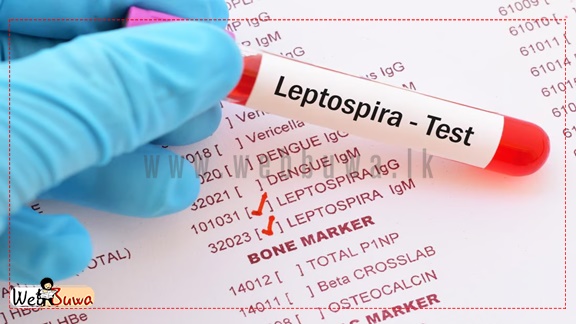
Sri Lankan health authorities are grappling with a significant increase in cases of leptospirosis, also known as rat fever, according to the Health Promotion Bureau.
Dr. Thushani Dabrera, a consultant at the Epidemiology Unit, stated that the rat fever bacteria enter the body through cuts, broken skin, or mucous membranes when exposed to water or soil contaminated with the urine of infected animals.
High-risk areas include Ratnapura, Kurunegala, Kegalle, and Kalutara, making them the most affected regions in the country.
She noted that cases usually rise between March to May and from October to December each year.
Experts urge the public not to ignore symptoms such as high fever, headache, joint pain, muscle pain, and red eyes, and to seek immediate medical attention to avoid serious complications.