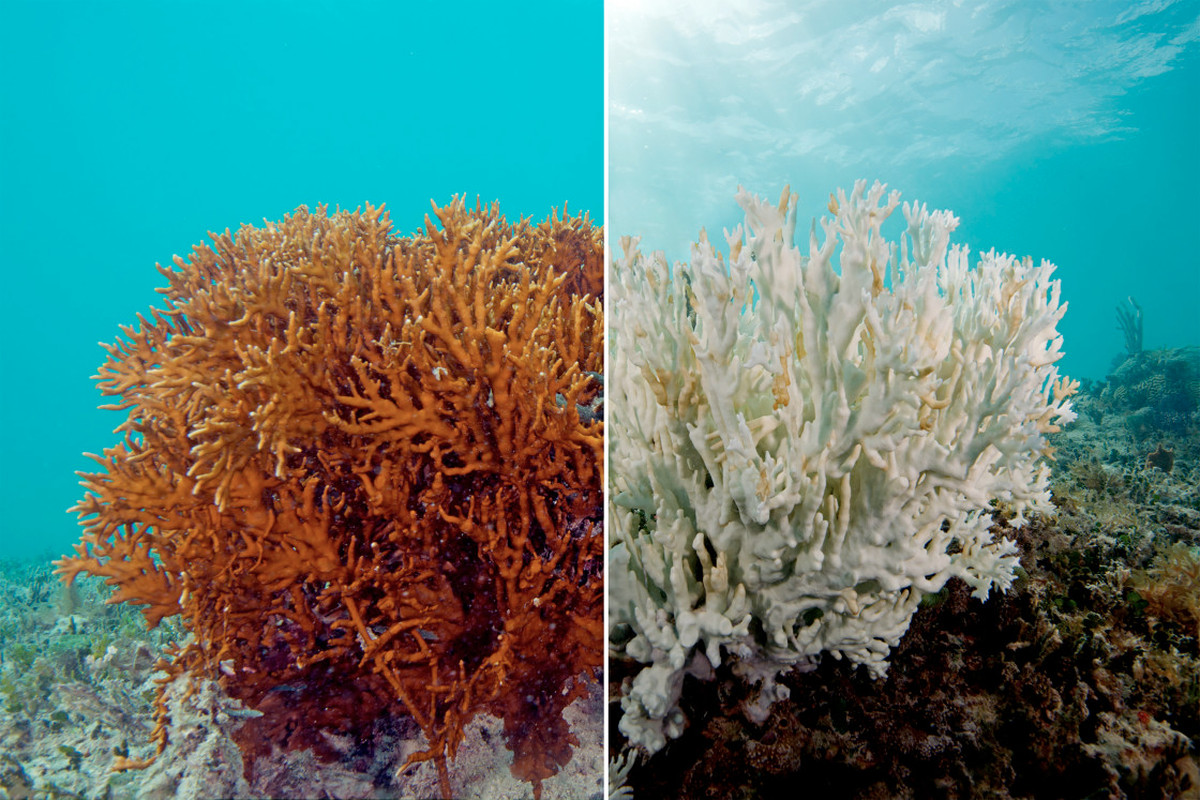






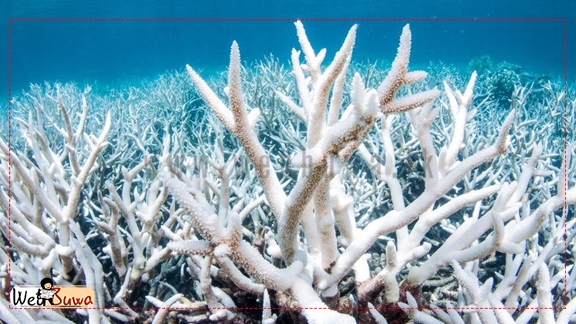
Australia’s iconic Great Barrier Reef faces yet another mass bleaching episode. Officials confirm widespread damage in the UNESCO World Heritage Site as urgent climate action is emphasised
The Great Barrier Reef, a globally renowned natural wonder, is grappling with another significant mass bleaching event, marking the fifth occurrence in the past eight years, according to official reports.
This phenomenon, triggered by heat-stressed corals expelling vital algae, underscores the escalating threat to the UNESCO World Heritage site. Scientists emphasise the pressing need for immediate climate action to ensure the survival of the reef, highlighting the alarming increase in the frequency and scale of these bleaching events.
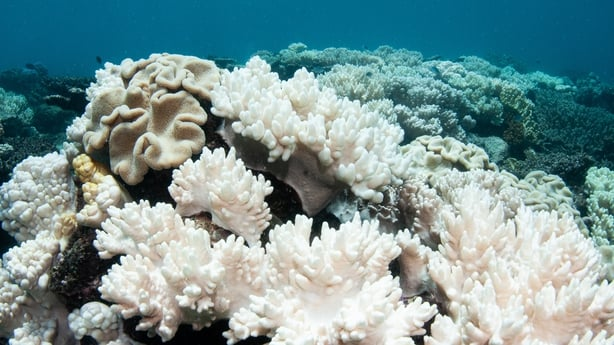
Greenpeace Australia’s David Ritter expressed concern, stating, “The frequency and scale at which these mass bleaching events are now occurring is frightening – every summer we’re holding our breath.”
He criticised Australia’s commitment to the reef’s health, pointing out contradictions in supporting the coal and gas industry amid ongoing environmental challenges.
“The Reef is literally cooking,” added the Climate Council’s Simon Bradshaw. The current episode follows only two recorded mass bleaching events until 2016, signaling a growing ecological crisis that demands urgent attention.
The iconic Great Barrier Reef is battling another coral bleaching event, the fifth in eight years. Scientists with the Great Barrier Reef Marine Park Authority are diving in to assess the damage along the vast 2,300km stretch off Australia’s northeast coast.
Aerial surveys paint a concerning picture, with widespread bleaching observed across 320 reefs. The southern zone appears to be hit particularly hard, experiencing the worst bleaching in nearly two decades.
However, there’s a glimmer of hope. Chief Scientist Roger Beeden suggests the reef could recover if water temperatures cool down. This emphasizes the urgency of addressing climate change to protect this natural wonder.